
This year, we received 600+ individual submissions, more high-quality pieces than our gallery can hold, making selecting the final pieces for the exhibition a difficult process. Our selection committee saw high merit in each of these honorable mentions and wanted to show appreciation for the thoughtfulness and skill of each artwork. Although these students aren’t exhibiting artists in this year’s exhibition, we wanted to feature their artwork and statements on our blog to honor their effort, talent, and perspective.
Read moreMargaret Luo: Creating Great Waves Off the Moon
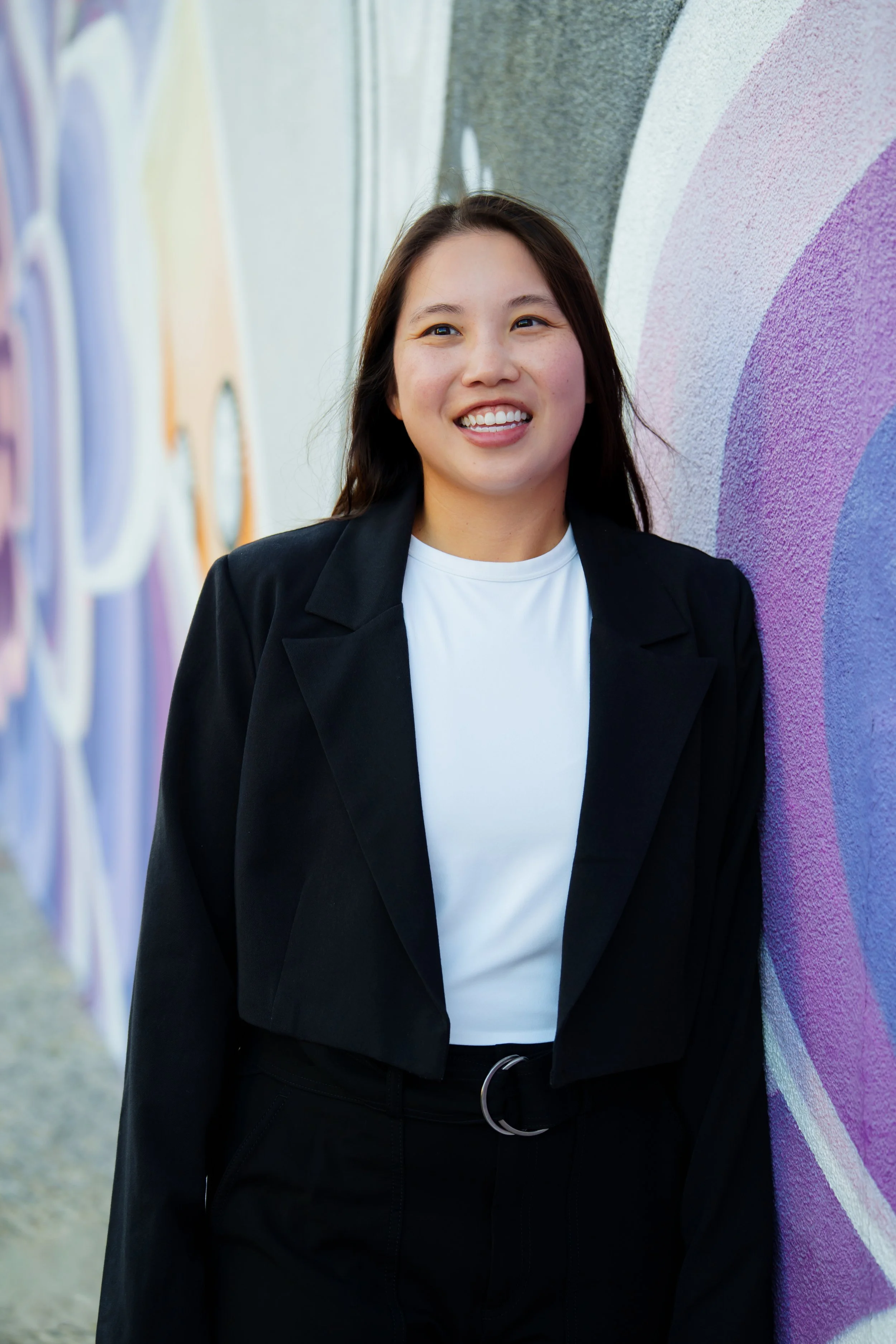
Photo credit: Diane Rose
The creative process does not follow a linear path, and the end results are often quite unexpected. When Chieko Shimizu Fujioka, Moeko MACHIDA, and I had first met over tea to discuss the possibility of creating a group exhibition together, we had been drawn to each other’s shared inspirations from nature and life cycles. Chieko’s capturing of nature’s subtle complexities in her glass mosaic and Moeko’s quiet attention to the mysterious phenomena surrounding lives in her Japanese pigment paintings resonated with my exploration of the feedback loop between people and their environments. However, we hadn't quite envisioned how we would actually create a cohesive exhibition, and we attempted to talk our way into an exhibition concept. Moeko, the only one of us with formal training in fine art, recognized our inability to use words to express visual ideas and instructed each of us to go out into the world with a Polaroid camera to capture what inspired us. She wanted to use those visual moments as the basis of our exhibition together. We also decided we wanted to create a collaborative piece of artwork together, with Moeko advising us to keep experimentation as the main purpose of creating a collaborative piece together. The three of us had never worked together before, but Moeko knew that we all held ourselves to high standards of creating “capital A” Artwork. She implored us to see the process of creating a collaborative piece as the end goal, not the artwork itself. She wanted all of us to let go of all expectations and have an openness to the whole experience.
In our gatherings, I think I had expressed, in not so many words, that I had been struggling with the experimental process of being an artist. Transitioning from a career as a data scientist in health policy research, I struggled to embrace the inefficiency and inexactness of the creative process. Being a statistician and data scientist was creative in its own way: trying out multiple statistical models or data transformations to learn something new from a dataset or using different data visualization techniques to best convey information, but there was usually an end product that produced results. The creative process felt inefficient to me at times because I felt like I had wasted time when I worked on something that didn't turn into a presentable piece of art. I had read many books about creativity that all touted the concept of "doing it for the process", but hearing Moeko directly tell me that the process was the goal finally had me internalizing the concept.
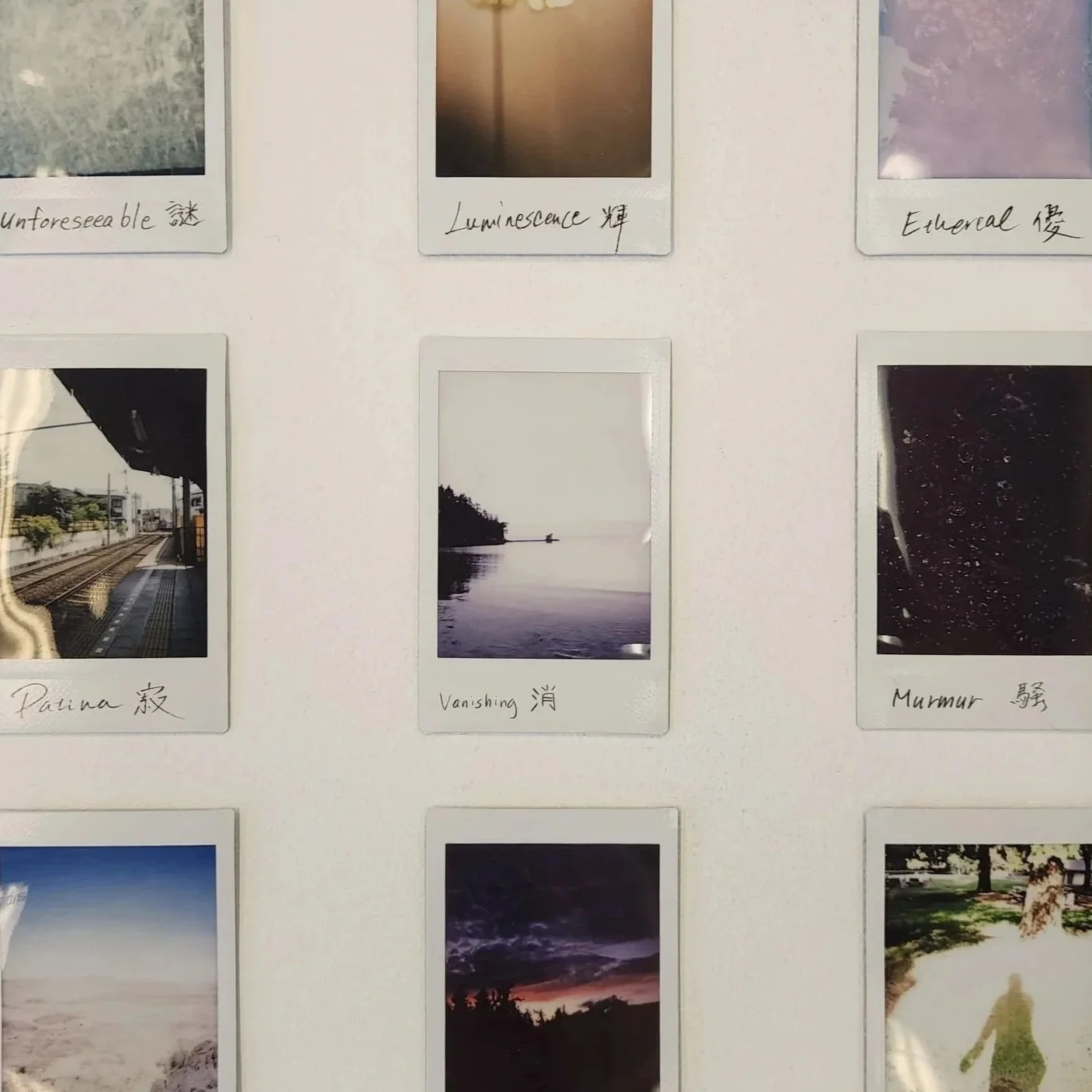
Polaroid pictures by Margaret Luo, Moeko MACHIDA, and Chieko Shimuzu Fujioka.
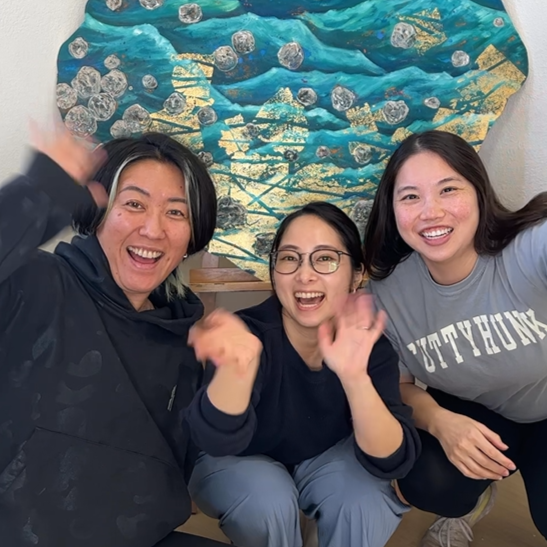
Chieko Shimizu Fujioka, Moeko MACHIDA, Margaret Luo, Interwoven Elements 交, Oil, mineral pigment, acrylic, gold leaf, glass on board. Photo credit: Shimizu Fujioka
Chieko, Moeko, and I did end up creating a beautiful collaborative piece after many trials and errors, and for the first time, the process didn’t feel inefficient to me. There was an overall sense of joy and excitement working together; we were all curious to see what each artist would create and how we could play off of each other’s creativity. I felt free while contributing my part of the piece, the first layer of turquoise and phthalo blue waves in movement. Through the process of sharing our Polaroid pictures, picking out our favorites, and intentionally adding kanji that made sense in both Japanese and Chinese to express how the captured images made us feel, I felt like the three of us developed a deeper understanding of each other. Trust was built through our constant communication about our hopes for the piece throughout the process. I felt that I could rely on my collaborators to build upon the piece in a way that preserved each of our voices while also creating something new.
Coming off the high of creating a completely unique piece of collaborative artwork, I was inspired to explore outside of my comfort zone for my individual piece. While I had initially started a painting earlier in the year that explored a zoomed-in view of the movement of ocean waves on an expansive canvas, I had many fits and starts when working on the painting. I know that sometimes I need to be patient with myself when working on a new project, but I realized that I found this particular painting upsetting each time I returned to it. I was hyper-focused on the result. I realized I had to take a step back and pivot. I didn't want whatever I produced to be the result of a tortured experience.
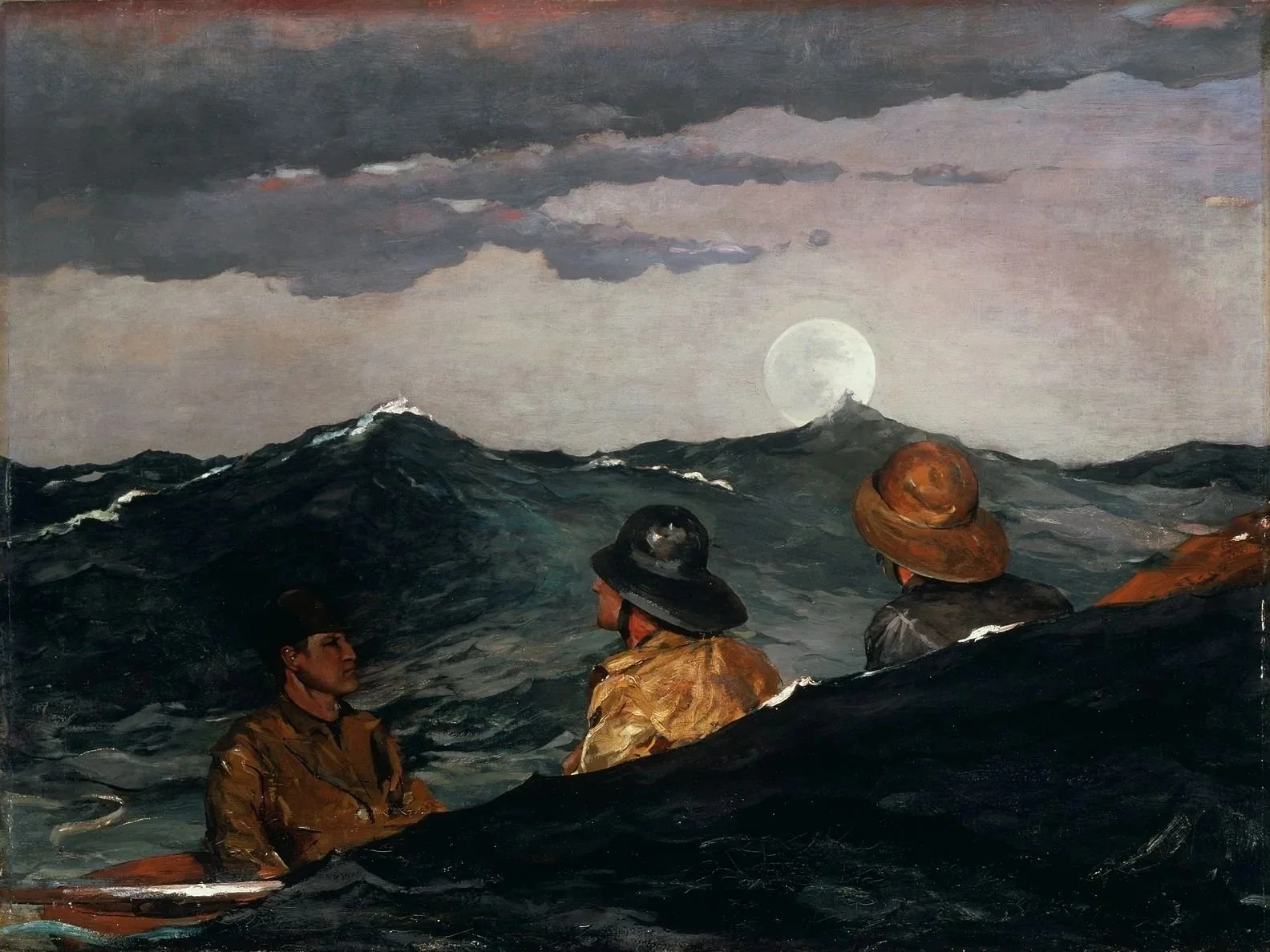
Winslow Homer, Kissing the Moon (1904), Oil on canvas.
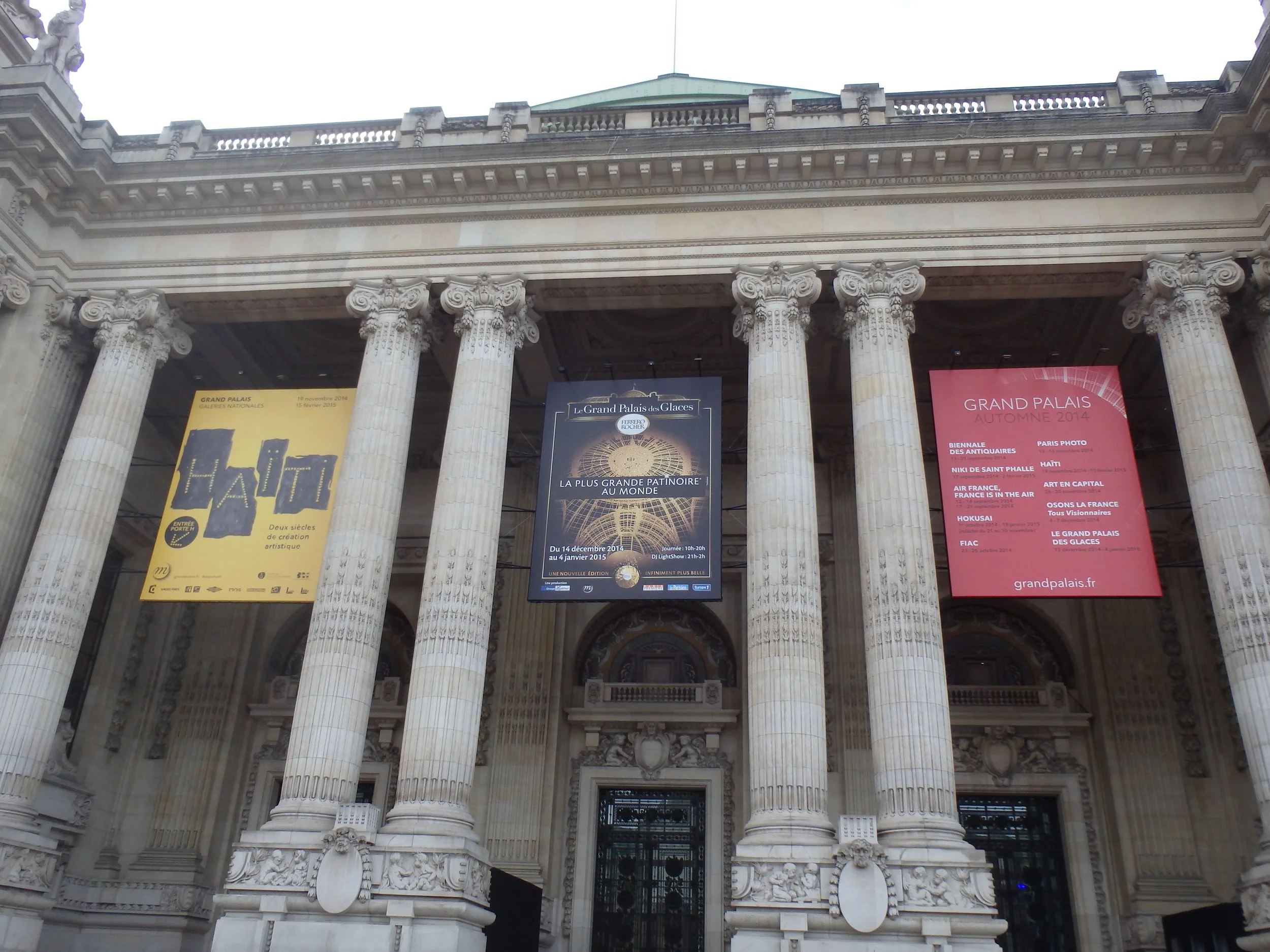
Banners outside the Grand Palais, December 11, 2014. Photo credit: Margaret Luo
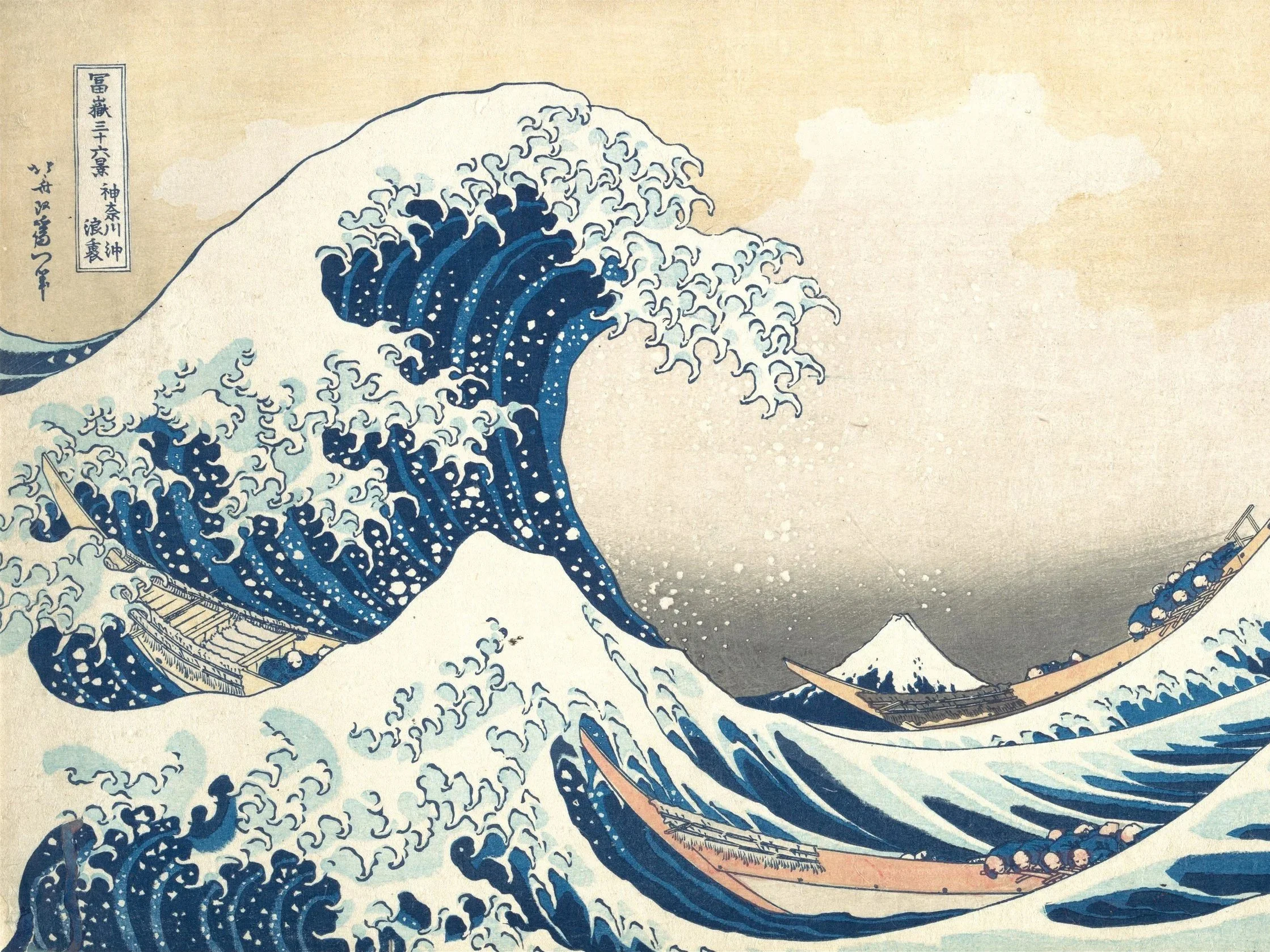
Katsushika Hokusai, The Great Wave off Kanagawa (1831), Ukiyo-e (woodblock print).
So I put down the paint brushes, took some time away from the studio, and borrowed a range of art books from the library. Earlier in the year, I had visited my alma mater, Swarthmore College, and met with my art professor from the only painting class I took in higher education. In classic professorial fashion, he had recommended that I look at how Winslow Homer painted water and how Catherine Murphey captured details at scale. Flipping through John Wilmerding’s book on Winslow Homer, looking through the color plates, I was enthralled by Homer’s Kissing the Moon, 1904. I learnt from the text that Homer had traveled to Paris from 1866 to 1867–and between discussions of art historians debating the importance of Homer’s trip to Paris on his career as an artist and a later analysis on Kissing the Moon that describes how the painting calls to Japanese prints such as that of The Great off Kamagawa by Hokusai–a memory arose. I visited Paris in the winter of 2014 during a semester of study abroad and by chance visited a Hokusai exhibition at the Grand Palais. The memory was faint, but I remembered being so enthralled by the artworks in the exhibit, I had hit my face on one of the glass walls protecting the artwork when I had attempted to take a closer look at a wood block print.
At the time, I hadn't known that I would end up pursuing a career in the arts; I had thought I was going to get a job in finance or get an advanced degree in a STEM field (I ended up doing both). But I had always been drawn to art and especially artwork that featured water. It was too much of a coincidence to be led in this meandering way to not create an artwork inspired by Homer and Hokusai for my individual piece for this group exhibition. And I had once again relearned the intention behind Moeko’s words when she advised us to see the process as the goal.
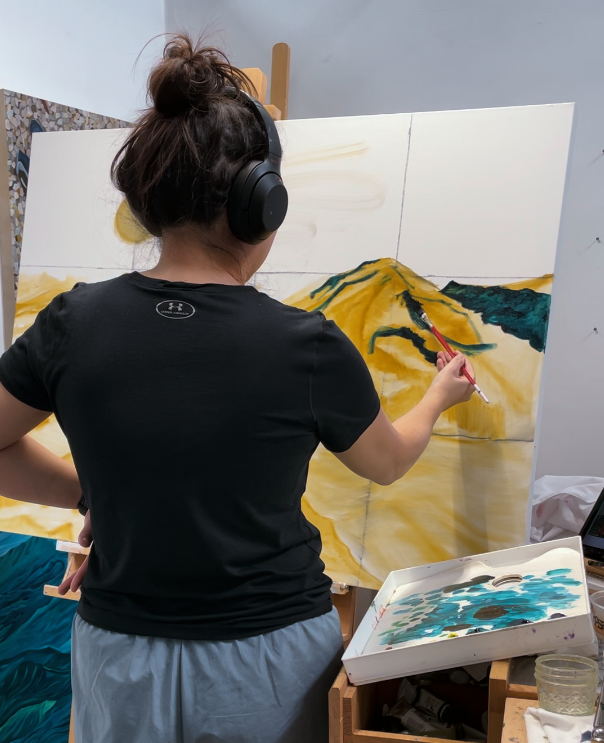
Margaret Luo painting Great Waves Off the Moon 月玻 in her studio. Photo credit: Margaret Luo
So I ended up putting aside my first attempt and started fresh on a new canvas. I wanted to use the same color palette as the collaborative piece while incorporating the moments of light from Chieko’s glass mosaic and the organic shapes Moeko had layered onto the artwork. The organic shapes looked like pieces of the moon, tying back to Homer’s Kissing the Moon. Studying the collaborative piece alongside Homer’s paintings and Hokusai’s prints, I wanted to create a painting that had a dreamlike, abstract quality. I also wanted to recreate the sharp cliff features of traditional Chinese Shanshui (山水, which literally translates to “mountain water”) ink paintings that depict natural landscapes. Through creating Great Waves Off the Moon -月波-, I worked on integrating a variety of inspirations from artists past and present.
I’m grateful for the year-long process that has culminated into the Ebb & Flow exhibition. Unexpected moments can be challenging for me, which is often (if not almost always) at odds with the creative process. The irony of how I attempt to plan for novel experiences, like planning a group exhibition, is not lost upon me. I’m grateful for the trust that Moeko, Chieko, and I shared as collaborators, which helped me be more receptive to new ideas. As an emerging artist in the first years of my career, I learned valuable lessons from their experience such as the importance of knowing when to let go of control and to embrace the nonlinear path as a creative. I was able to see how my experiences in the past can come forward to the present and integrate into my works, underlying the importance of living a wide life full of exploration and unexpected moments.
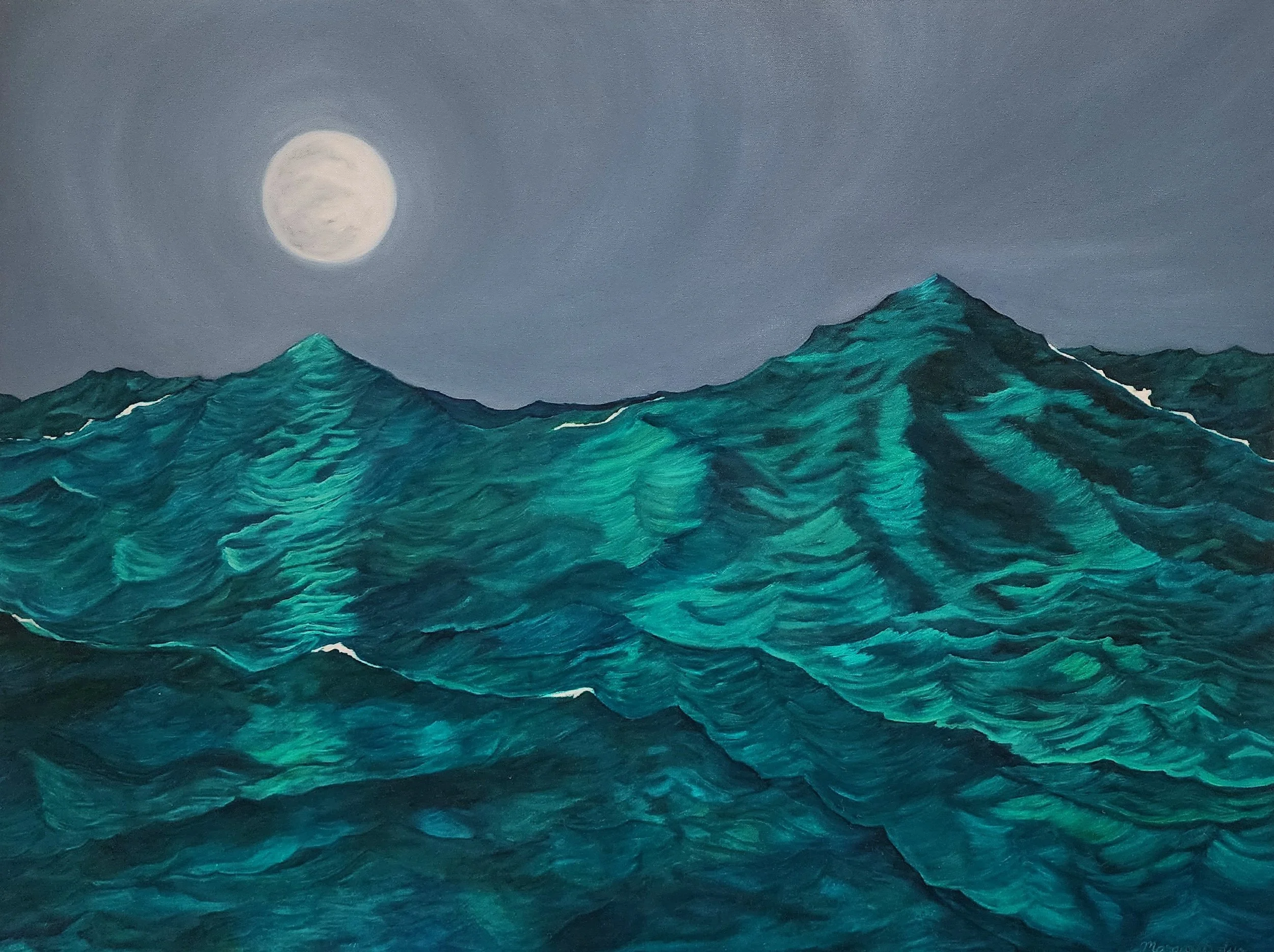
Margaret Luo, Great Waves of The Moon -月波- (2025), Oil on canvas.
A Deep Dive with Chieko Shimizu Fujioka
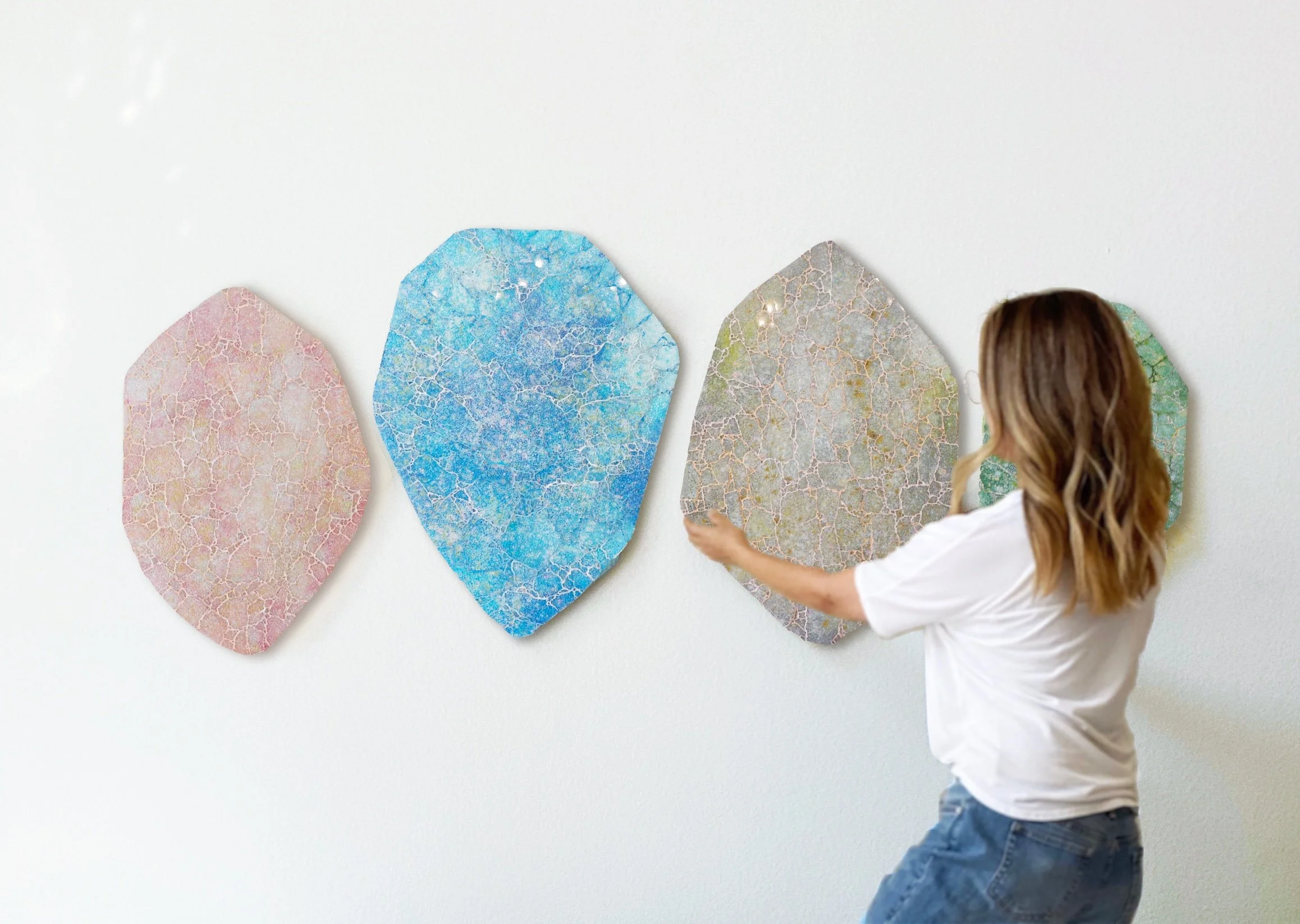
Chieko Shimizu Fujioka, a glass mosaic artist based in San Jose, California, specializes in public installations and private residential commissions. Born and raised in Japan, Chieko established her career after moving to the Bay Area and is now entering her pre-mid-career phase as a professional artist. Here, she shares her journey, along with the mindsets that have helped her maintain resilience and a healthy balance between her demanding career and personal life.
Read moreIntern Spotlight: David Reisine
About Me
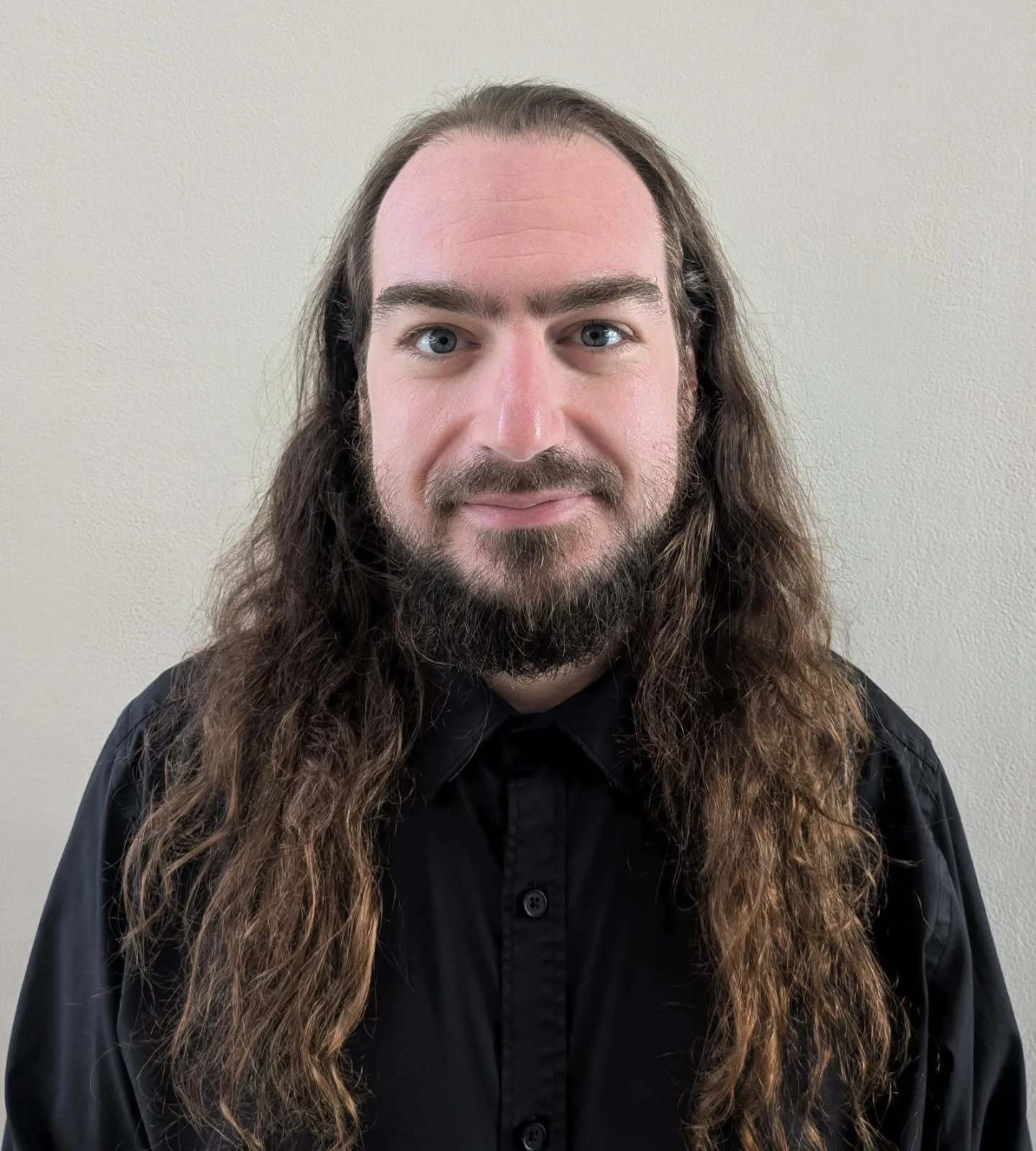
Hello, my name is David Nicolas Reisine, I am 38. I received my Bachelor’s degree in Fine Arts from University of California at Santa Cruz, where I fell in love with making sculptures. This led me to become a welder, a blacksmith, and a bronze caster, which in turn inspired me to pursue my Master’s degree in Fine Arts from SUNY Albany. I had always wanted to become some form of teacher so I could pass on my passion for art, however during this graduate program, I was introduced to working at a museum. This unexpected opportunity sparked something in me that I had never considered, and after many twists and turns, landed me a job as a museum preparator at SFO Airport’s Museum. There I learned a great deal about how to handle artwork and install all types of historical objects, and what it takes to present a successful exhibition. From there I decided I wanted to learn more about how museums operate and how other roles in a museum contributed to the overall functions of the museum. This is what led me to start working at the San Jose Museum of Art, where I am currently one of the lead experience representatives, which allows me to interact with guests on a more personal level. While working at SJMA, I was encouraged by my coworkers and friends to pursue a Master’s degree in Museum Studies, so that I might be able to expand my knowledge even further. Now, I am a graduate student at San Francisco State University in the Museum Studies program, where I am delving deeper into the inner workings of museums, specifically collections management and stewardship, which has become my passion. In this program I was encouraged by my professors to see how the information I learned in class is applied in the real world. I have been so excited to work here at NUMU, where I have been given the chance to actually practice what I have learned, as well as develop new approaches that I had never thought of before.
My Time at NUMU
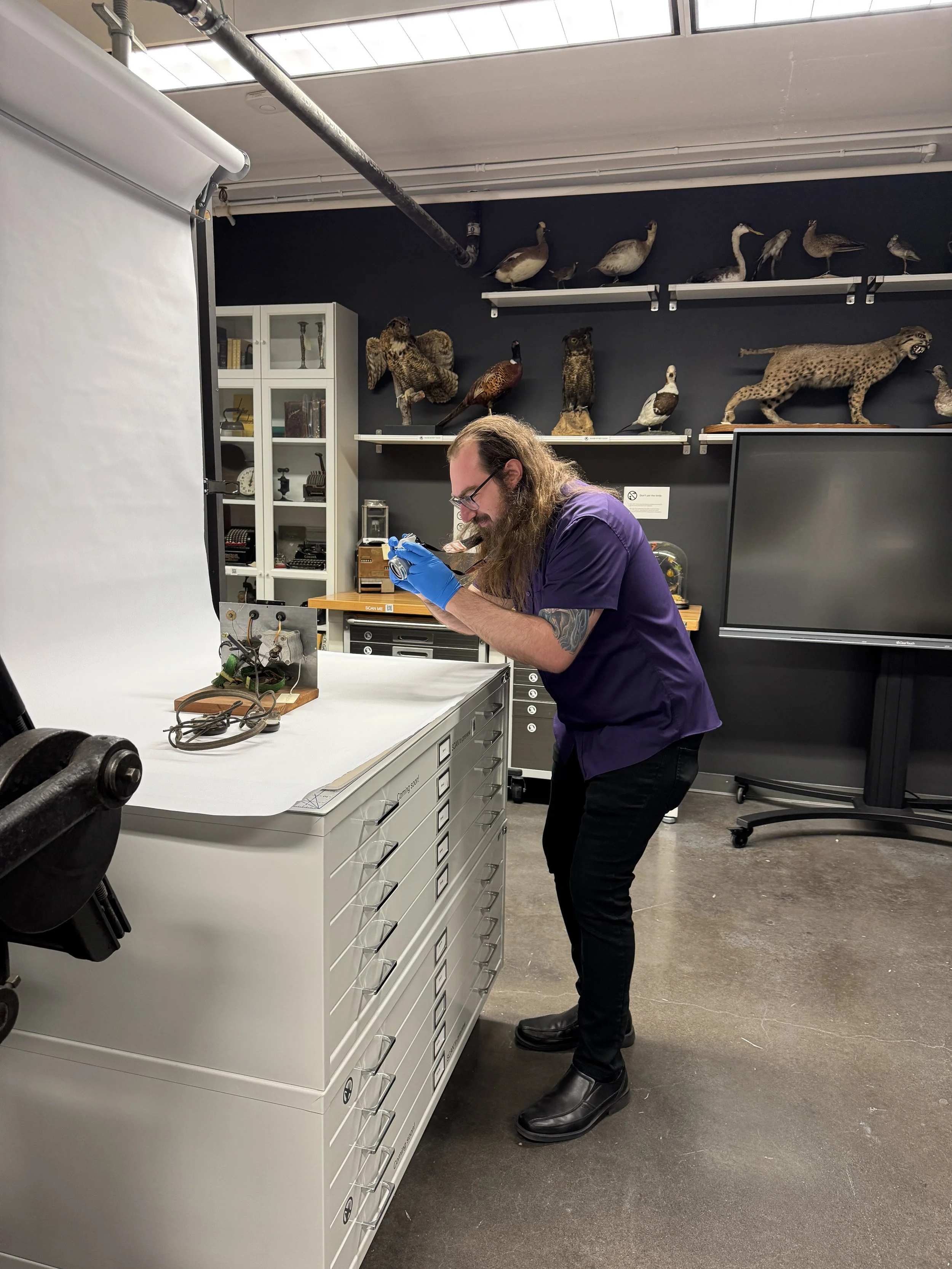
During my internship at NUMU, I was primarily tasked with finishing the cataloging of the 3D objects in the collection, as well as to organize the space and make way for new donations. I began with cataloging hand carved wooden birds as a way to learn the specific data management system used by NUMU. Though this might seem boring or monotonous to most people, I loved it! This was my first real experience with cataloging objects, and this type of work really resonated with me. Once I felt confident in implementing the correct way of cataloging, I went on to more challenging and obscure objects. The most interesting aspects of this process were the times when I had to dive deeply into the history of the objects, from learning about the cultural significance of abalone shells to the Ohlone people, to tracking down manufacturers of the parts used in the construction of a handmade crystal radio, and even learning about Victorian era sewing and stitch work to better explain the artistry of a quilt. I have learned so much from working with Alexandra and Allison that I feel excited to start classes again and implement my real-world knowledge.
Takeaways

The most important aspect of collection management I have learned at NUMU is adaptability. What I realized while learning how to catalog many different types of objects is that what one learns in classes or from textbooks only gives you part of the picture, often showing the best practices in a vacuum. Oftentimes, we come across objects with no information or barely any records, requiring research and deep dives to establish some context that we can use for identification. Another aspect of cataloging that really taught me about this adaptability is how varied are the types of objects that one may have to work on, often things you might never have considered would be in a museum’s collection. A prime example of this was when I was cataloging Ohlone abalone shells and rock fragments, where my ignorance of the indigenous culture made the process a new challenge. I had to ask myself, how do I condition and catalog a seemingly random big rock, or a shell of a sea creature? But that is what is so great about this hands-on experience! I was able to examine in detail the significance of the cultural context, as well as the importance of always being objective and respecting all forms of objects. These abalone shells are no less important than a painting or sculpture from a fine art museum, they just require a different approach to gathering and recording the data. I went from shells of sea creatures to Victorian quilts, to hundred-year-old town maps, to vintage typewriters, all requiring unique or specific handling and examination, but also all ending up in the same system of data management.
There are many other things I learned while working with Alexandra and the team at NUMU, but overall, this internship showed me how much I love and enjoy this aspect of collections management and fanned the flames of my passion for working in museums! I am very grateful for being given this chance to experience and learn in the real world what I hope to turn into a new career.
-written by David Reisine
ArtNow 2025: Dreamscapes Honorable Mentions
This year, we received 700+ individual submissions more high-quality pieces than our gallery can hold, making selecting the final pieces for the exhibition a difficult process. Our selection committee saw high merit in each of these honorable mentions and wanted to show appreciation for the thoughtfulness and skill of each artwork. Although these students aren’t exhibiting artists in this year’s exhibition, we wanted to feature their artwork and statements on our blog to honor their effort, talent, and perspective.
Read moreQ&A with Carly Slade
Hi everyone!
Thanks so much for coming to see my show and sending me some questions. Extra big thanks to curator Allison Railo and the installation crew. It was such a great experience to have Allison climb into my brain and see what she pulled out. Seeing how she chose to display my work has helped me make new connections about it.
Read moreQ&A with Shirin Towfiq
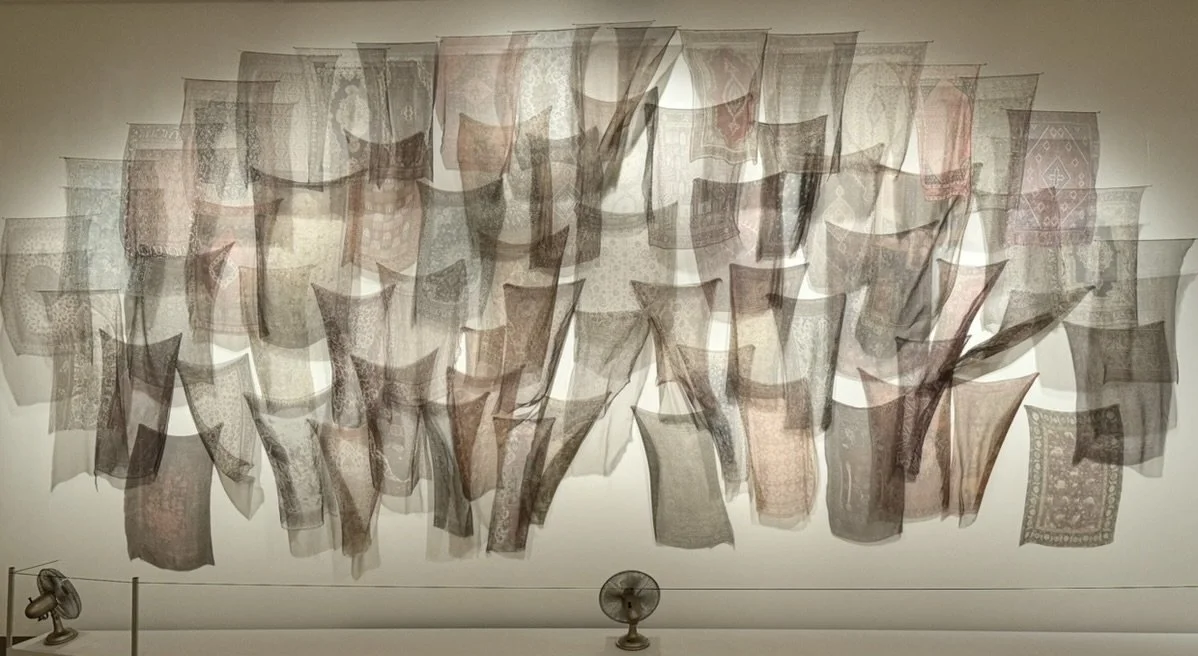
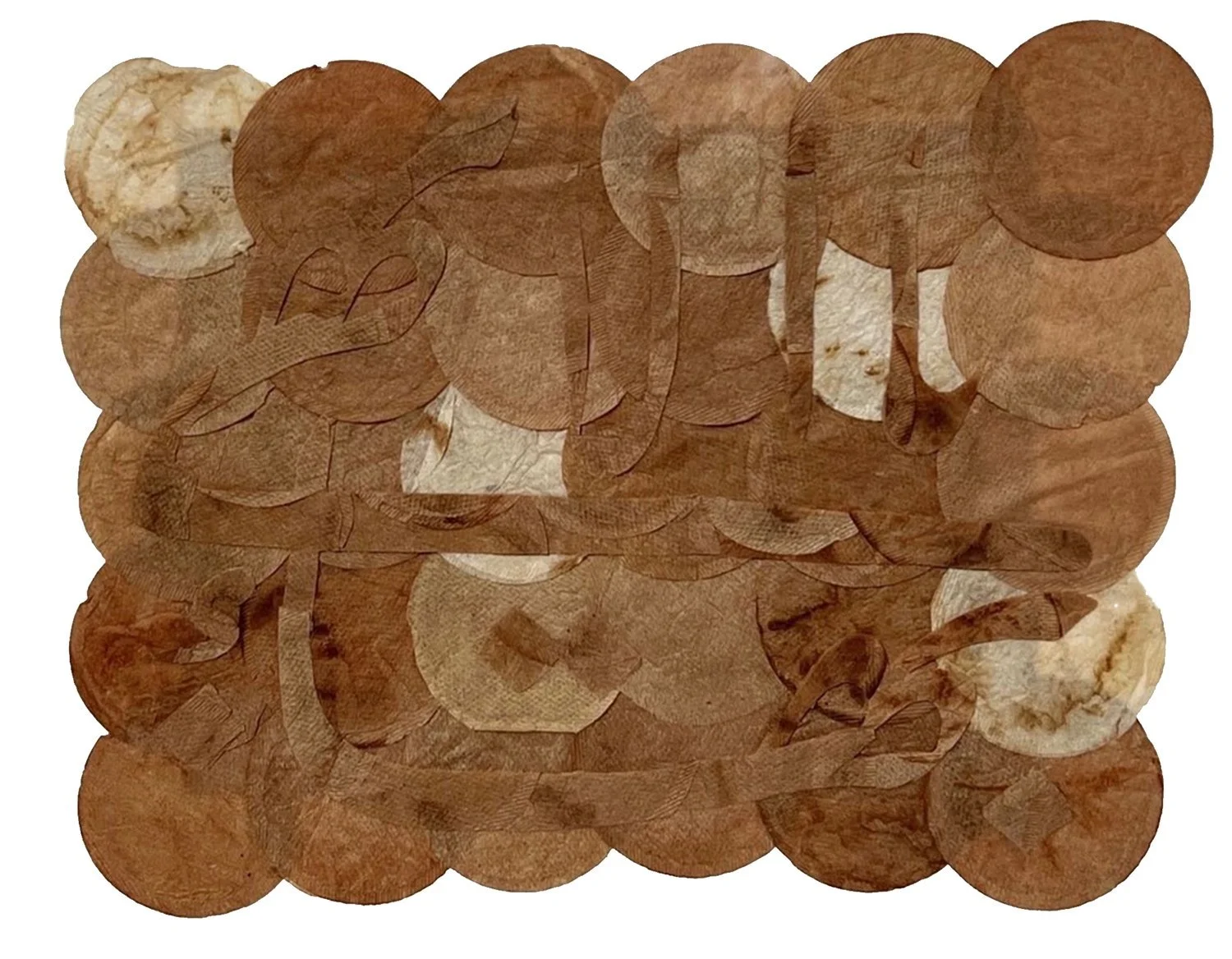
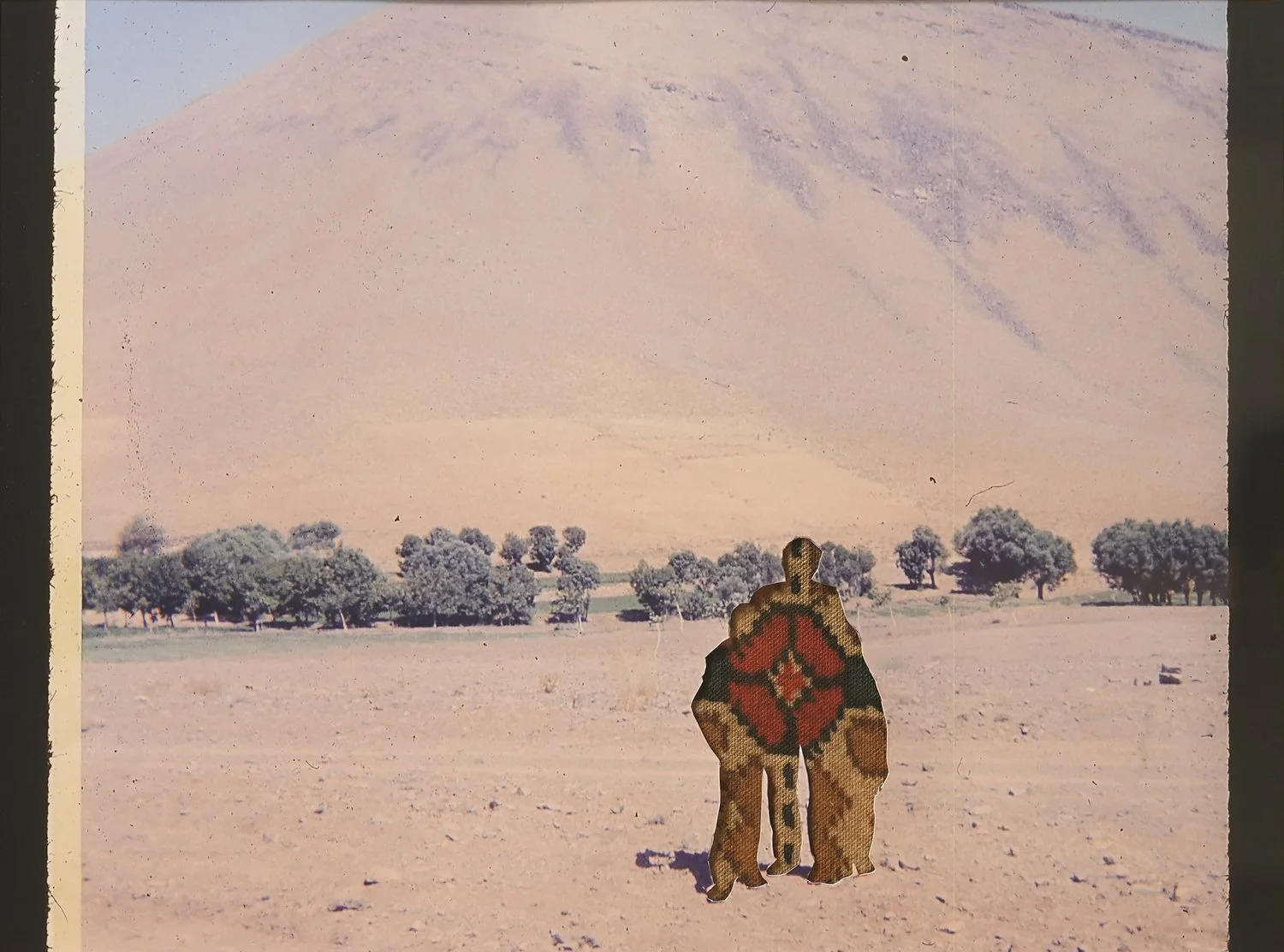
Shirin is an interdisciplinary artist working with an emphasis on installation, sculptural photography, textiles, and printmaking. Drawing from her positionality as a second-generation Iranian refugee, her artwork explores the complexities of belonging and placemaking through archival research and intergenerational communication with a diasporic lens. She focuses on everyday practices of belonging and visual culture, as produced by migrants, and reflects on the traces of diaspora to investigate cultural memory, history, and temporality.
Read moreIntern Spotlight: Delaina Pedroza
About Me
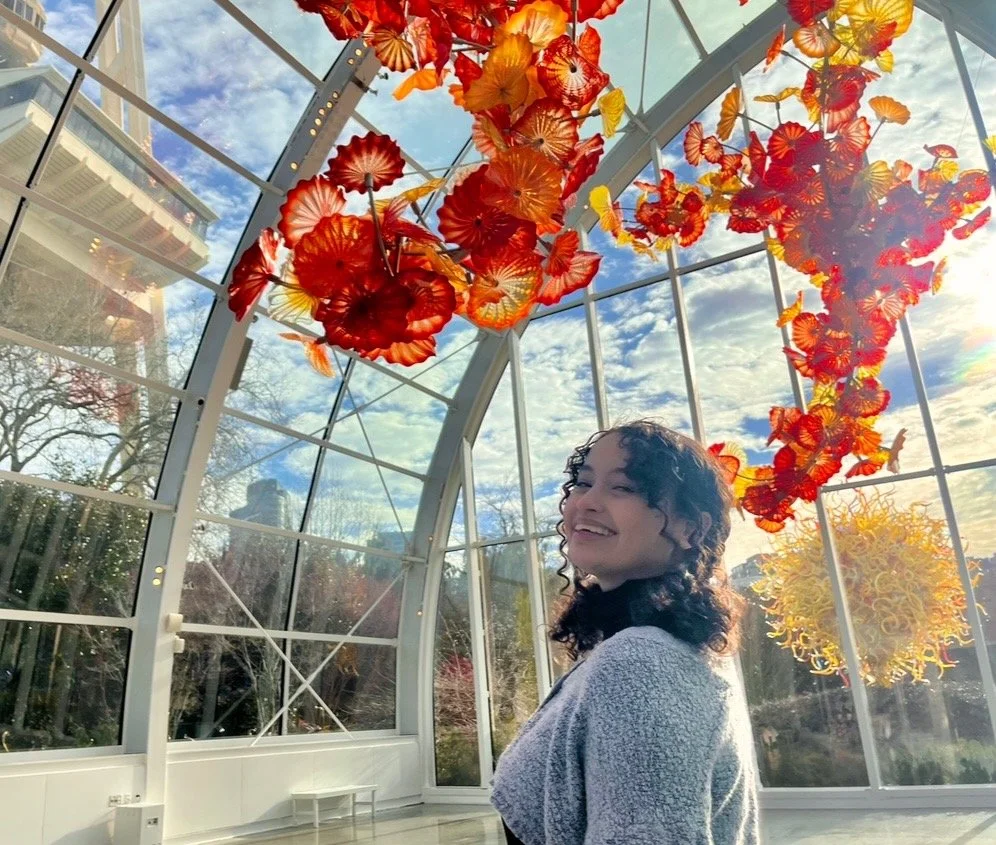
Hi! My name is Delaina (Duh-lay-na) Pedroza. I’m excited to spend 10 weeks working in collections as an intern at the NUMU Museum of Los Gatos. A little background about myself, I received my undergrad degree from UCR in 2023 with a BA in History, BUT I was originally a Business Administration student. I didn’t change my degree until about midway through my first internship in a museum, where I decided that I would be working in collections! Although I went to school in SoCal I was born and raised in the Bay Area, specifically San Jose, so I have a lot of fond memories of taking a trip to Los Gatos as a kid. I never knew until applying for this internship that there was a prominent museum in Los Gatos. Over the last two years I’ve been fortunate enough to work with a wide variety of organizations and their collections departments. I’m currently pursuing my Masters in Library Science at San Jose State, so when I’m not working I’m going to school or spending time with my kids (4 cats). I’m excited to help make some of the amazing objects at NUMU available for the public to enjoy and learn from.
About My Degree
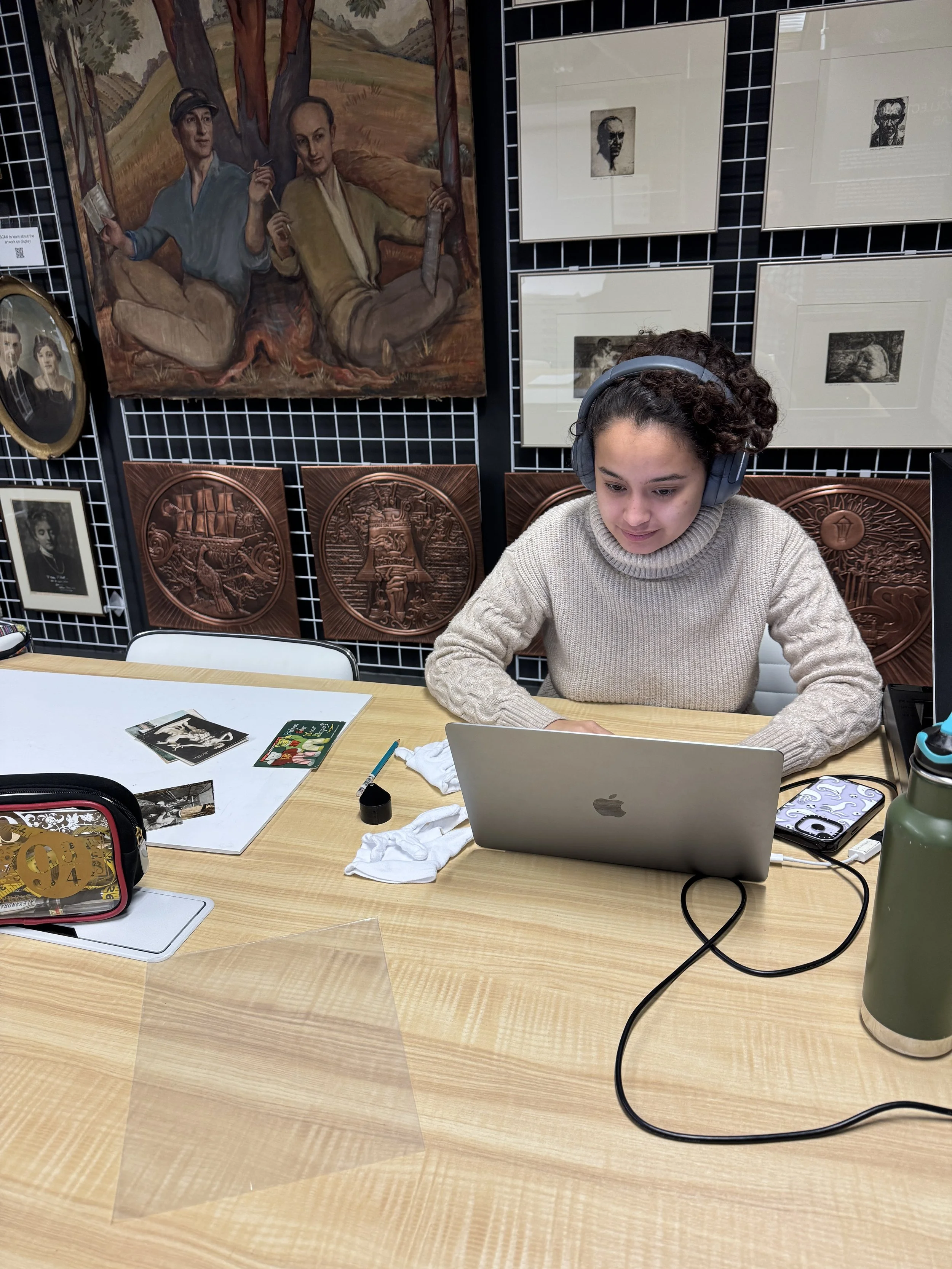
Although a MLIS might not sound like it pertains to museum studies, in a sense it does. We learn how to use information systems, handling, documenting, exporting, and caring for those items, whether it’s metadata, electronically, physically, or both. The great thing about a masters in library science is that you learn what goes into library work, but can branch off into your own emphasis, focusing on what interests you. That may be archival work, children’s education, information science, etc.
Artifact Spotlight
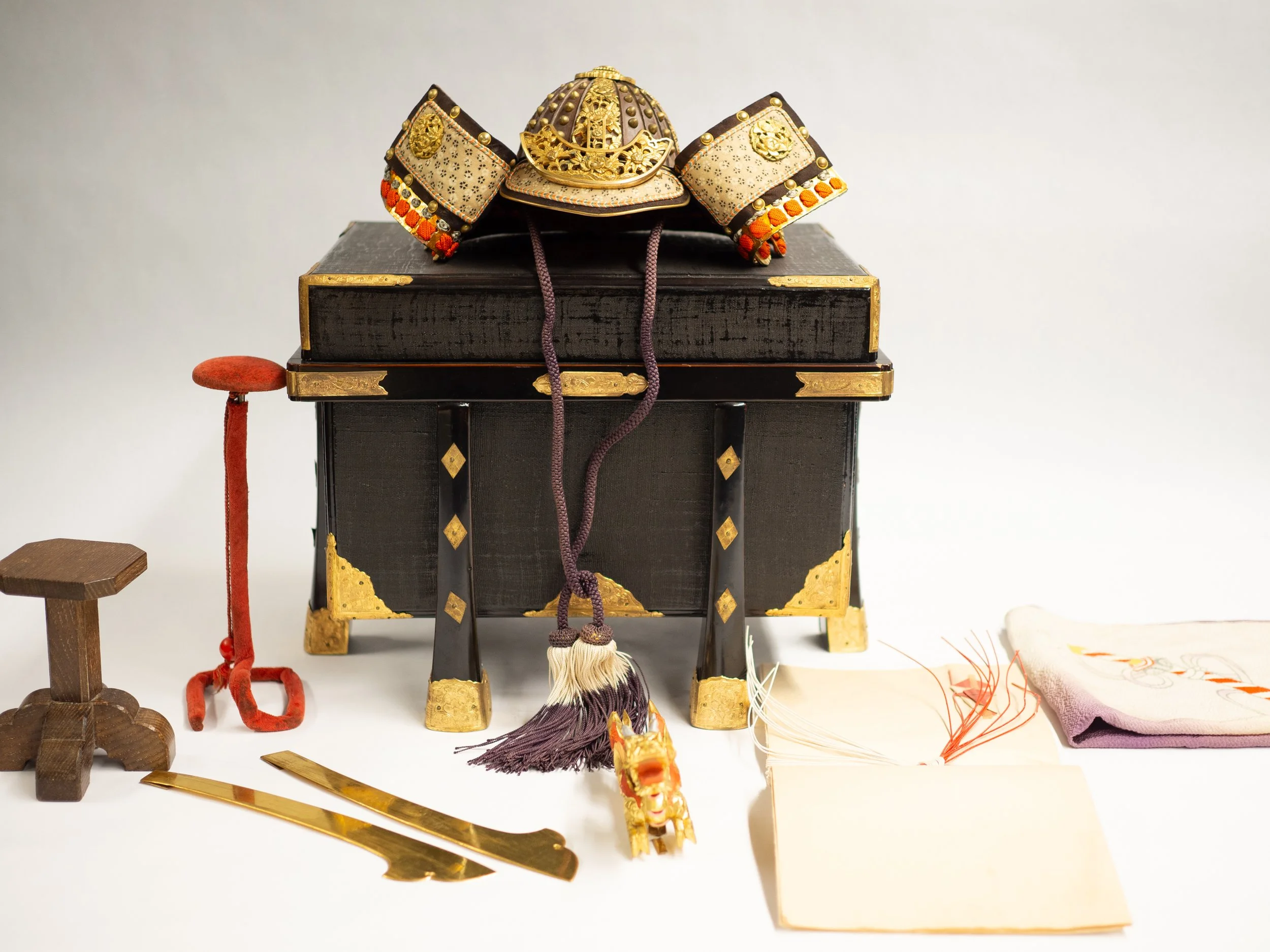
Working at the museum has taught me a lot in the past three months. One, there is a museum in Los Gatos called NUMU, but overall there have been really interesting objects, stories, and histories and so on that I have been able to learn from over the course of my internship. For instance, I came across an object called a Kabuto, which is a miniature version of a samurai’s head set from feudal Japan. These miniature samurai helmets were placed in front of the homes of samurai warriors on “Tango no Sekku,” or Boys Day, to celebrate these warriors’ achievements. Samurai armor was more than just practical outerwear, it also signified the samurai’s status as a warrior, member of an elite class, and man of honor. So on this day it was especially important to honor sons and sons who had become samurai, and miniature kabuto was just one of those ways. Today, it is now more commonly known as as “Children’s Day” (Kodomo no Hi) as it celebrates all children, not just boys, and is celebrated on the 5th of May every year. You can find more information by looking at the museum’s collection online to learn more about the other items listed with this object!
Takeaways
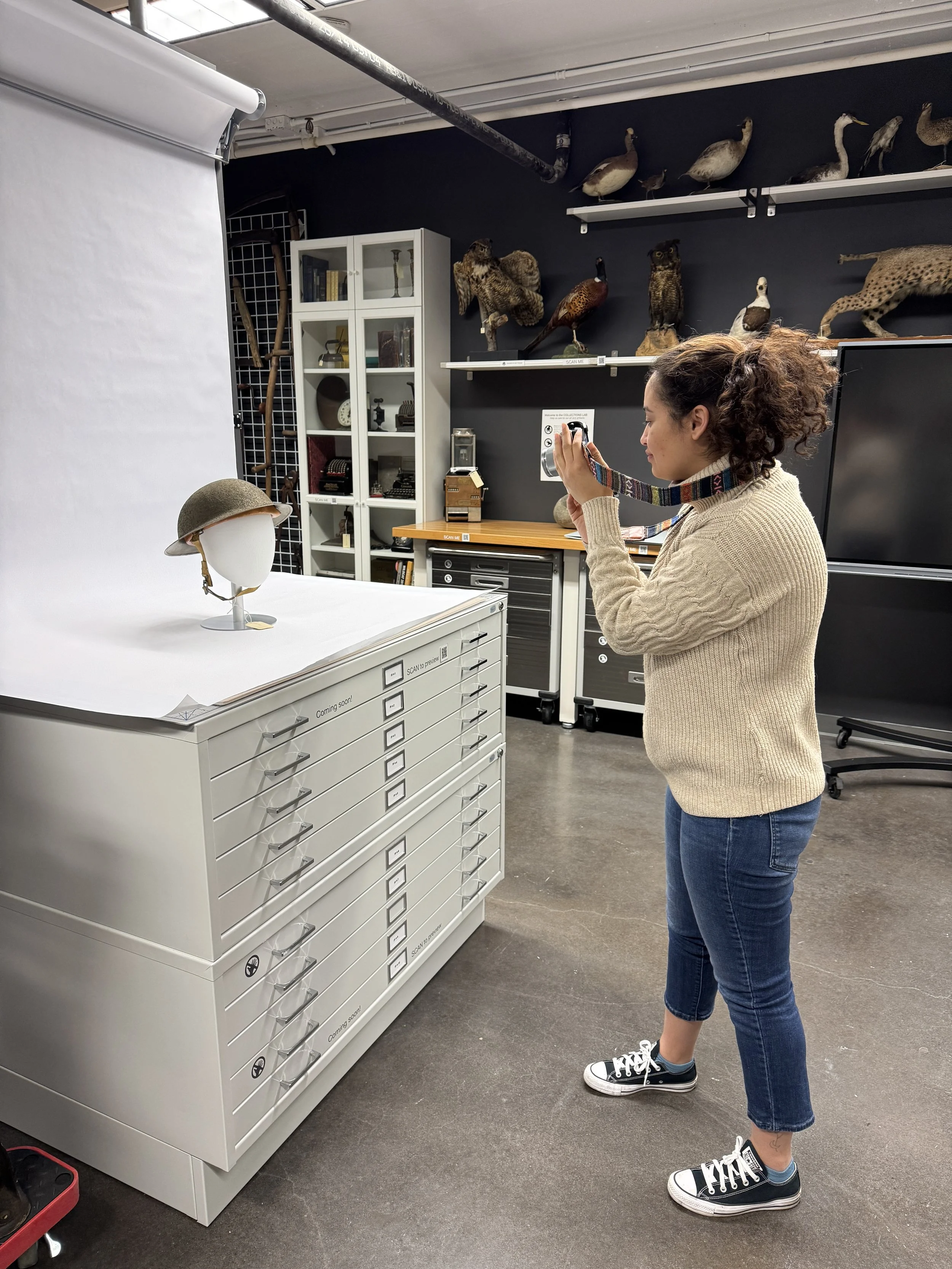
Although this object is interesting and was definitely an interesting object to learn about, I think the most important thing about it is what we still don’t know: who donated it and what story does it tell? A common instance is that most objects can’t be fully traced back because of outdated practices, but we lose their histories in the process. Who donated it? What significance did it have to them? How did they come to have this object? Although museums are a great place to learn about new cultures, traditions, etc. that you may not have thought existed before, these also hold deep personal roots about those in our communities and the lives they’ve lived that lead them to Los Gatos and NUMU. When most people think about the significance of a museum they reflect on being able to educate, a source of history, and a tourist destination of sorts. While all of those are great, they also provide a sense of belonging, visibility, comfort, and community to those who visit. Take the time to visit the museum, its website, or collections and take a second to better understand your own histories, the town’s histories, and the people who live in and around Los Gatos!
-written by Delaina Pedroza
Q&A with Holly Lane
Artist Holly Lane has reimagined a new art form of her own invention, in which each component—painting and frame—is fundamental to the work as a whole. Holly has exhibited in two solo shows at NUMU, Not Enough Time to Love the World and Holly Lane–In the Artist’s Studio. Read on to hear her answer questions about her artistic practice, goals, and more!
Read moreArtNow 2024: In Transition Honorable Mentions

This year, we had a record number of 810 individual submissions and many high-quality pieces. As we only have one gallery for ArtNow that holds a limited number of physical pieces, selecting the final pieces for the exhibition is a difficult process. Our selection committee saw high merit in each of these honorable mentions and wanted to show appreciation for the thoughtfulness and skill of each artwork. Although these students won’t be exhibiting artists in this year’s exhibition, we wanted to feature their artwork and statements on our blog to honor their effort, talent, and perspective. Scroll to see this year’s honorable mentions.
Read moreIntern Spotlight: Teddy Hardgrove
About Me
Hello everyone! My name is Teddy Hardgrove. I am 24 years old and have a B.A. in Anthropology from UC Berkeley and an M.A. in Museum Studies from University of San Francisco. I’m originally from the greater Los Angeles area but have since transplanted to the Bay. My undergraduate focus was in archaeology, and my graduate focus was in archives and collections management. I wrote my thesis on law and ethics as they apply to oral histories in archives. In my free time, I enjoy visiting museums, listening to music, playing piano, and collecting zines and vintage ephemera, such as postcards. I also volunteer at the GLBT Historical Society Archives on a weekly basis.
My Time at NUMU
Over the course of my internship so far, I’ve cataloged the last parts of the Frank and George Collection, particularly documents related to the caretakers of Frank and George’s estate and violinist Yehudi Menuhin. These included legal documents, newspaper clippings, and photographs. I also had the pleasure of cataloging Frank and George’s guestbook from the mid-50's to mid-60’s and a pair of gorgeous color pastels depicting the couple.
More recently, I’ve cataloged a wide variety of objects such as an indigenous ceramic platter from the 1840s, stylish mid-century hats, and Victorian quilts. I have also assisted in setting up the ArtNow exhibit, arranging objects for a painting class along with many other day-to-day tasks around the museum.
Takeaways
Throughout my tenure at NUMU, I have built my skills in collections management and encountered many unique challenges, such as cross-referencing provenance information from many different sources, as well as interesting objects with compelling stories to tell, such as the Samurai Battle Helmet highlighted in another article.
This internship has reinforced the fact that one of the greatest barriers to excellent collections care is lack of provenance information. Provenance is the story of the object- where it was made, who made it, who owned it and how they came to possess it. This information is important to enrich a visitor’s experience and enhance researchers' and museum staff’s understanding of the object. Information is also important for objects in case they were stolen or coerced from their original owners’ possession. With provenance, items can be restored to their rightful owners after many years. Laws such as NAGPRA and CalNAGPRA aim to restore indigenous objects to their communities of origin, and there are similar restitution laws for Nazi-looted art. Small museums and volunteer-run organizations must take great pains to thoroughly document provenance for these reasons.
-written by Teddy Hardgrove
About the ArtNow 2024 Selection Process
What a year! We were blown away by the thoughtfulness of submissions across the board, and our team was faced with the difficult task of narrowing down the hundreds of submissions we received to the small percentage of pieces that can physically fit in our gallery. This year, we received 810+ submissions from 45 high schools across Santa Clara County and will be exhibiting the work of 82 student artists from 26 high schools…
Read moreIntern Spotlight: Hope Snipes
About Me
Hello! My name is Hope Snipes, I am 26 years old, and I have a Bachelor’s in Anthropology from the University of Victoria, British Columbia. I’m from Davis, but I moved to the Bay Area with my partner for his job last year. I ended up in Canada because of how beautiful Victoria is, as well as the affordability of their schooling. My partner and I both love going to museums, nature parks, zoos, etc. in any place we visit. I had never even been to Los Gatos before applying to this job, but I’m super glad I was given the opportunity to work for NUMU. Los Gatos has such a vivid and interesting history, and I will definitely be back to visit.
My Degree and Work History
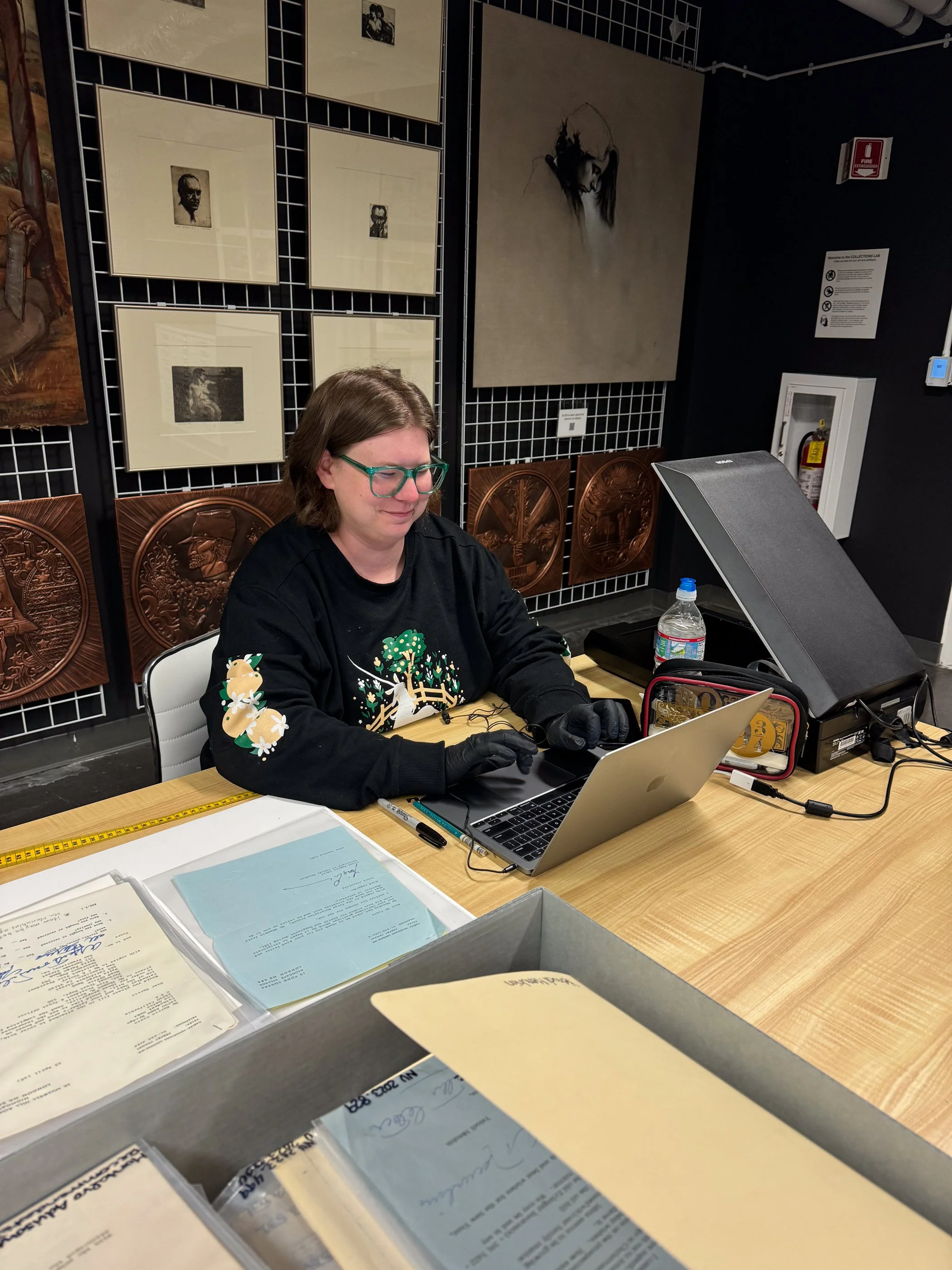
Previously to this job I worked with the Tseshaht first nation in BC, on an archaeological site where I focused on lithic material and stone tools. We excavated at the site and got to do lab work on the material afterwards, through the Bamfield Marine Sciences Center, in conjunction with the Tseshaht tribe. It was truly an amazing experience to work with them, I am so glad our work went to good use there. I also worked with the Royal BC Museum in Victoria, and I truly loved doing the museum work. I definitely want to continue working in collections and conservation. After a couple pandemic-fueled years working retail jobs, I am so grateful I was able to work this internship with NUMU.
My Time at NUMU
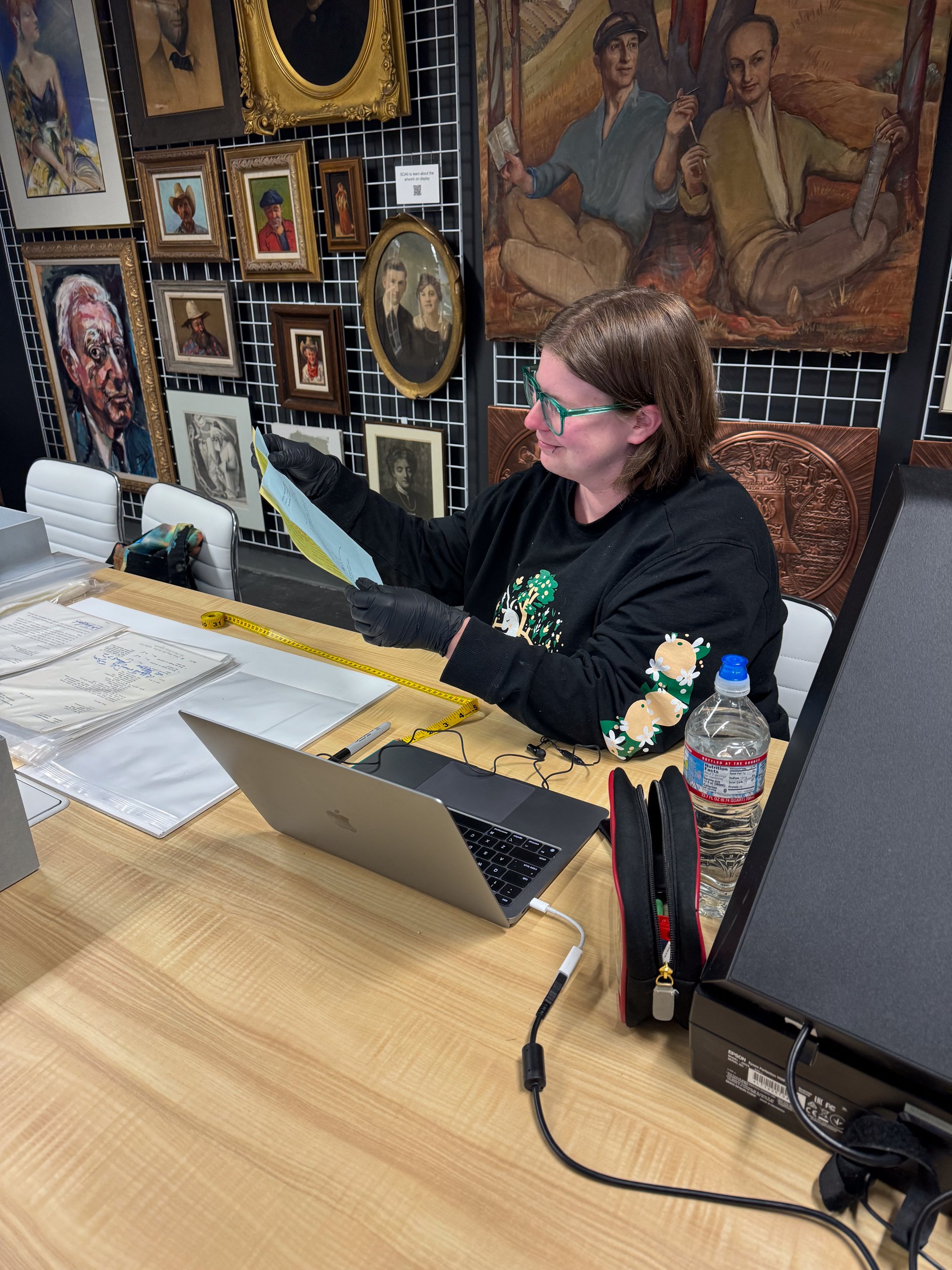
Anyone who knows me in my personal life knows I love antiquing and collecting, so a job in the collections department seems like a no-brainer. I worked primarily on material from Cathedral Oaks, pertaining to Los Gatos royalty Frank Ingerson and George Dennison. It was so amazing to get to work on material from a prolific and artistic gay couple; they are truly my new heroes. I spent pretty much all my time organizing and sorting through the material NUMU has on them; from sketches and notebooks, to letters with the Menuhin family, to telegrams with Olivia de Havilland, to power and water bills for the Cathedral Oaks estate. I got to do hours of research on fine arts and local history, and I loved every minute of it. I felt truly in my element working at NUMU, and I’m so happy I got to spend the past few months doing something I loved.
-written by Hope Snipes
Chelsea Stewart - On Her Practice
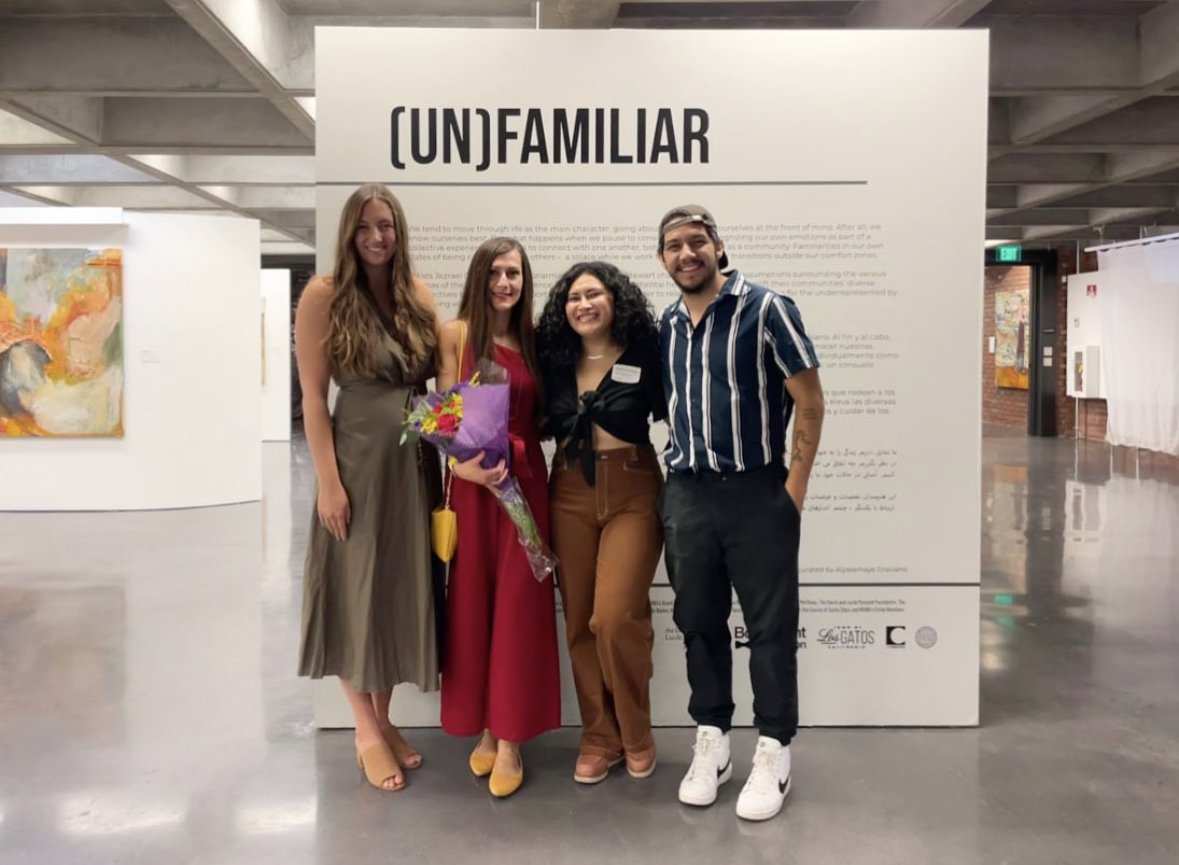
Chelsea with fellow (Un)familiar artists, Kiana Honarmand and Jezrael Gandara, and curator Alyssarhaye Graciano
Chelsea Stewart is based in San Mateo County, CA, Stewart is pursuing her MFA in Spatial Arts at San Jose State while also working as the Gallery Manager at the Pamela Walsh Gallery in downtown Palo Alto. In her free time, she likes volunteering at Art in Action, a fantastic non-profit art organization based in Redwood City, paddling, or spending time with family and friends.
Written by Chelsea Stewart, exhibiting artist in NUMU’s 2023 exhibition, (Un)Familiar.
Read moreAnnouncing Kimberly Snyder as Executive Director
On behalf of the NUMU Board of Directors, I am pleased to announce the appointment of Kimberly Snyder as NUMU's Executive Director. Kimberly has served the organization in various capacities for nearly a decade, and not only has deep institutional knowledge, but a great passion for the museum and the community we serve. In March of 2023, she was appointed Interim Executive Director.
Read moreHispanic Heritage Month 2023
September is Hispanic Heritage Month, dedicated to the Hispanic community in our home and across the country. We’ve collected just a few related events accessible to those in and around Los Gatos. We hope you utilize all these fantastic offerings!
Read moreMeet Ellie Lin: ArtNow 2023 Best in Show
Meet Ellie Lin, an emerging young artist who just won the Best in Show AND People’s Choice awards for NUMU’s ArtNow 2023 Annual High School Juried Exhibition Unarmed Truth. Ellie graduated from Los Altos High School this year, and will be attending Rhode Island School of Design this fall, to pursue fine art and illustration. In this post Ellie shares some reflections on her involvement in ArtNow and her own art practice. Follow Ellie on Instagram @dynojelatoe to stay up to date on what she creates next!
Read moreArtNow 2023: Meet the Judges!
ArtNow is an annual juried Santa Clara County high school art exhibition and educational program, presented by New Museum Los Gatos (NUMU). The ArtNow Exhibition and supporting programs offer opportunities for high school student artists, from Palo Alto to Gilroy, to gain real-world experience in participating in a juried museum exhibition.
Each year, a new theme is chosen for the exhibition and students are asked to submit works based on that theme. $10,000 in scholarships and awards are given to participating students. Students have the opportunity to win awards in 8 artistic categories as well as an overall Best in Show award and a People’s Choice award. The categories are Painting, Drawing, Mixed Media, Printmaking, Sculpture, Photography, Digital Art & Video/Animation. The awards in each category and the Best in Show award are determined by a panel of guest judges, who are local university faculty and established practicing artists. NUMU intentionally recruits a diverse array of jurors from different cultural and artistic backgrounds who can all speak to specific medium categories in ArtNow, depending on their own professional art practices. Our judges for the 12th annual ArtNow Exhibition Unarmed Truth are Kathy Aoki, Binh Danh, Mitra Fabian, James Morgan, and Rupy C. Tut.
Read moreMeet the Spring 2023 ArtNow Teen Council
During the second call for interns this Spring, we received over 70 applications from students across Santa Clara County, and onboarded 7 new interns to join 2 from our first cohort, for a total of 9 members of the Teen Council for the Spring of 2023. This group of interns will be working on some special social media projects, helping with big events like the ArtNow 2023 Award Ceremony and Celebration, and learning how to give exhibition tours! Scroll through this blog for some updates on what they’ve been up to in the last few months.
Read moreIntern Spotlight: Hana Lock
About Me
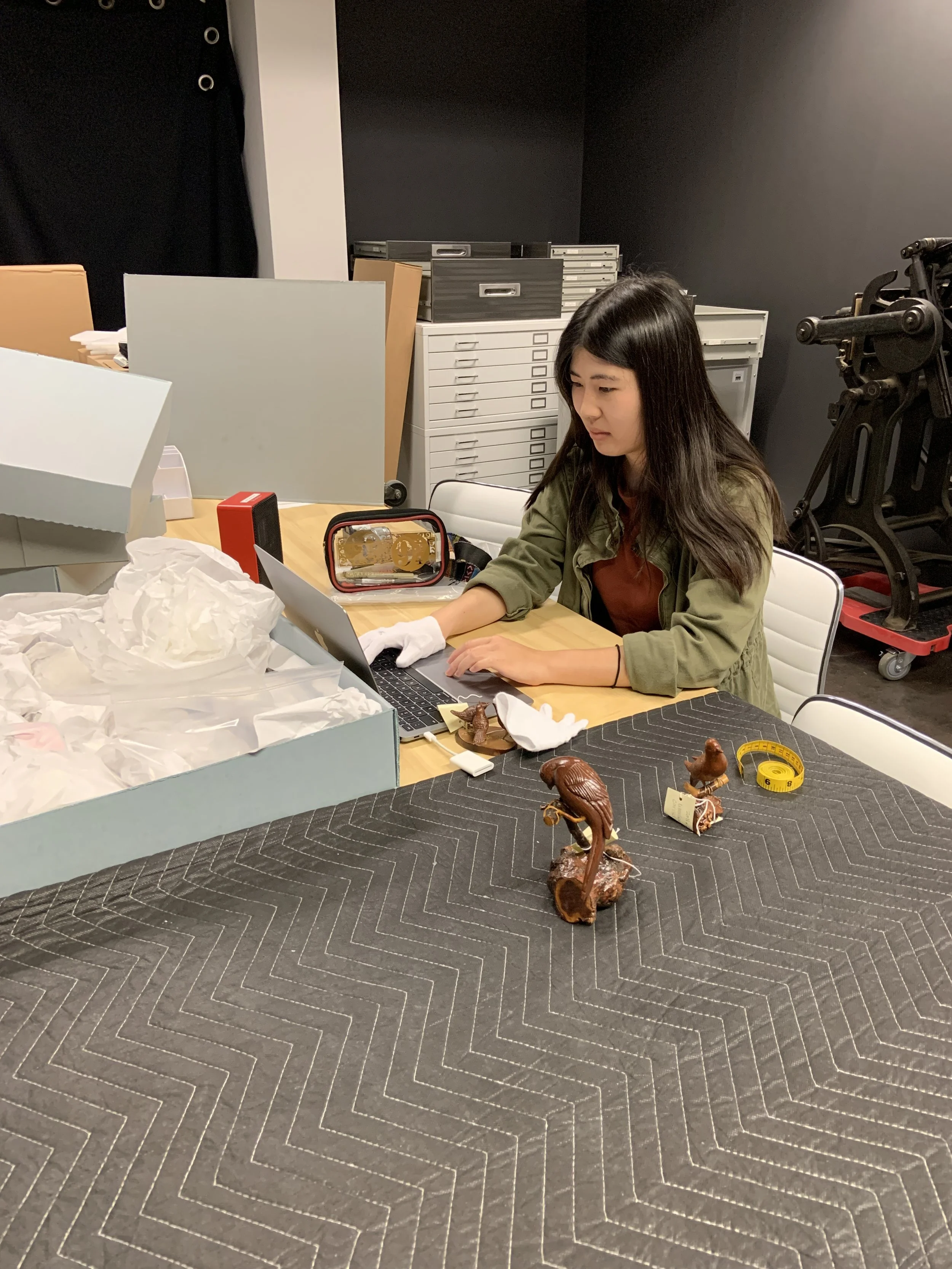
Hello, everyone! My name is Hana Lock; I’m 22 years old with a Bachelor’s in Fine Arts from San Jose State University. At SJSU, I studied traditional drawing, painting, and printmaking, and I also worked for the university’s gallery as a student assistant. Aside from making art, I like to visit museums and galleries, browse old used bookstores, wander around antique shops and thrift stores, and collect animal skulls and creepy dolls. I had a wonderful time gaining hands-on experience in museum operations at NUMU, and it has inspired me to continue pursuing this line of work.
My Art Practice
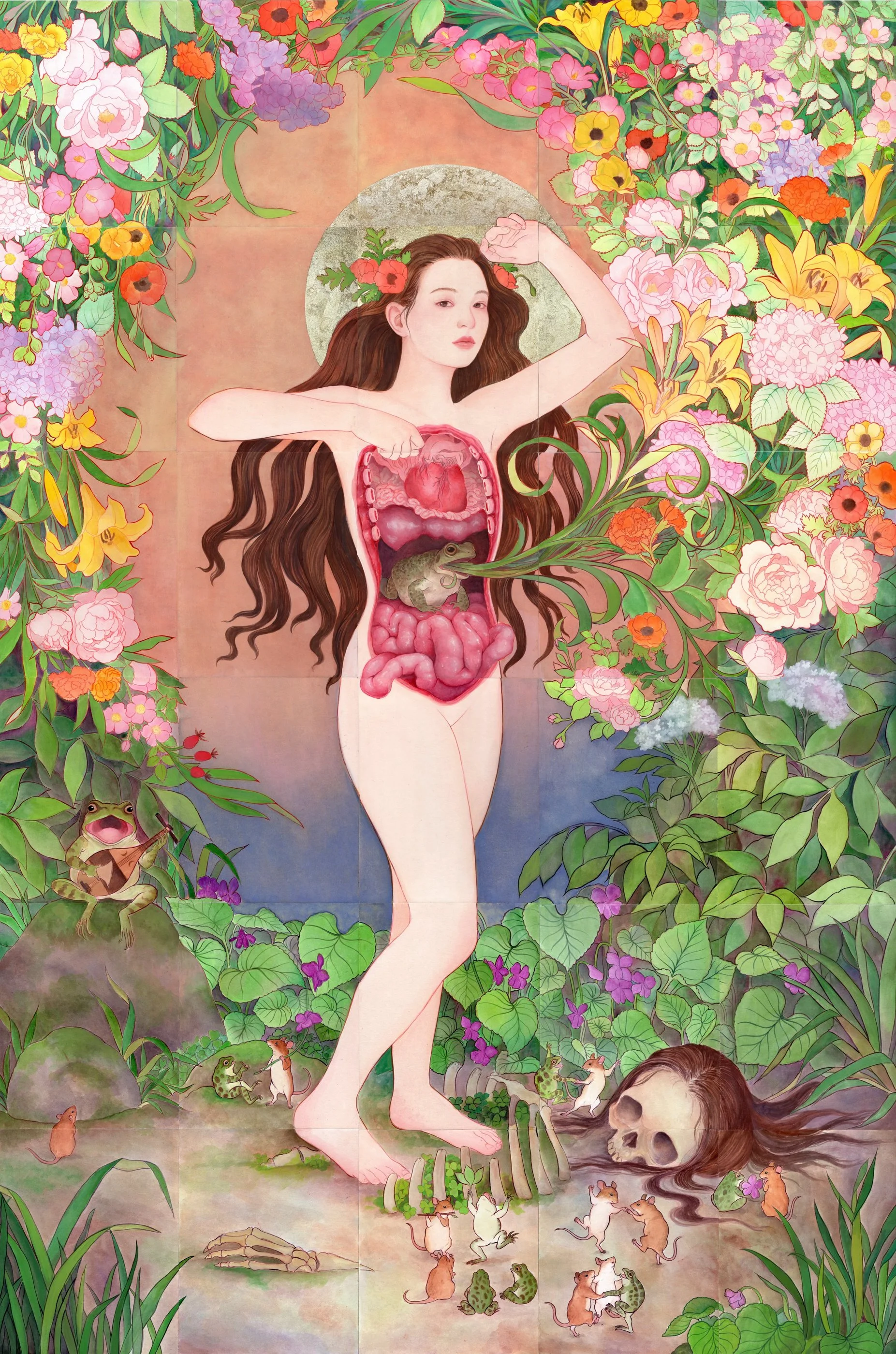
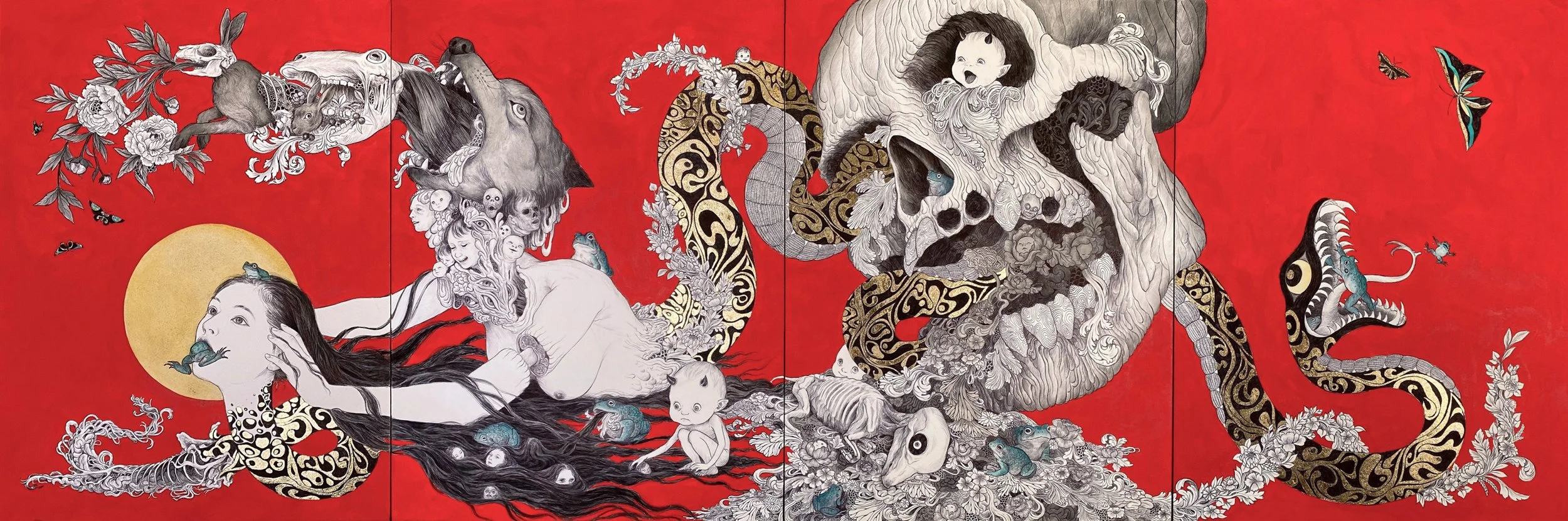
I have always been fascinated by the processes of life and death and find morbid beauty in its more grotesque aspects. My art approaches life, death, decay, and rebirth through both a scientific and spiritual lens; combining the natural sciences with various philosophic, religious and spiritual beliefs through whimsically macabre imagery. As a draftsman, I am also interested in the language of line. I strive for precision and detail, and I believe that in addressing the formal and conceptual qualities inherent in line, I can capture the delicate intricacies of the natural and imaginative world.
My favorite medium is ballpoint pen, but I also use watercolor, ink, acrylic, and oil. I take visual and conceptual inspiration from Western and Japanese art, religion, mythology, and folklore and often mix and match the two cultures to highlight their similarities and differences. I am especially interested in Art Nouveau, Japanese woodblock prints, 19th century medical illustrations, memento mori, and Japanese Buddhism.
Now that I’ve graduated, I plan to continue to build my art career by continuing to do gallery and museum work, exhibiting my art, entering local and international competitions, and eventually getting an MFA. I am nervous but excited to see what kind of artist I will grow into and how far I can go.
My Time at NUMU
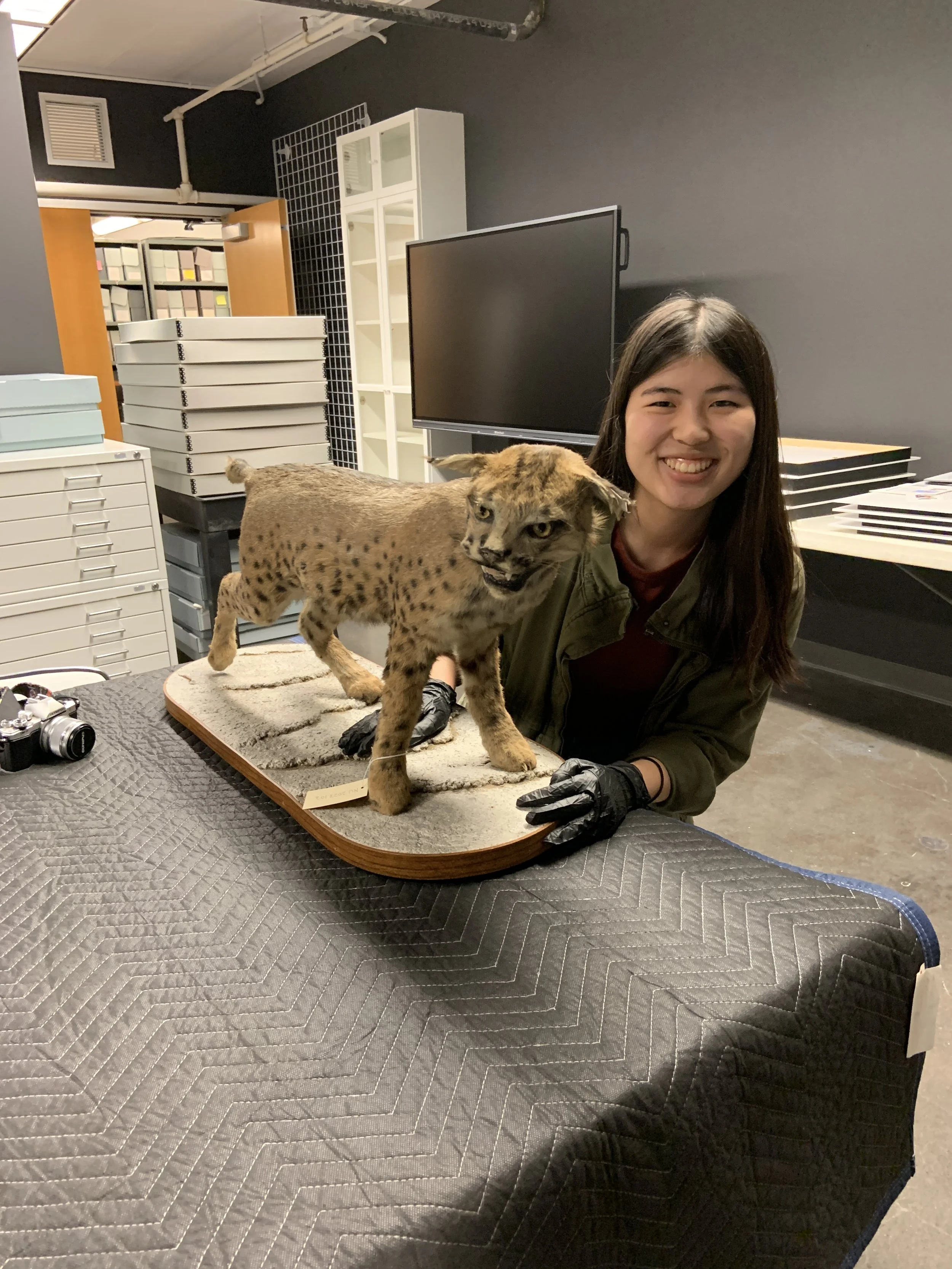
During my internship at NUMU, I primarily cataloged various artworks and objects in the museum’s collection. I worked with items from the Frank and George collection, historical and contemporary art, and my favorite: taxidermy. I loved being able to get a close look at the specimens and doing studies of them in my sketchbook. My personal favorite is the bobcat because, frankly, it’s ugly and awful to the point that it circles back to endearing.
Takeaways
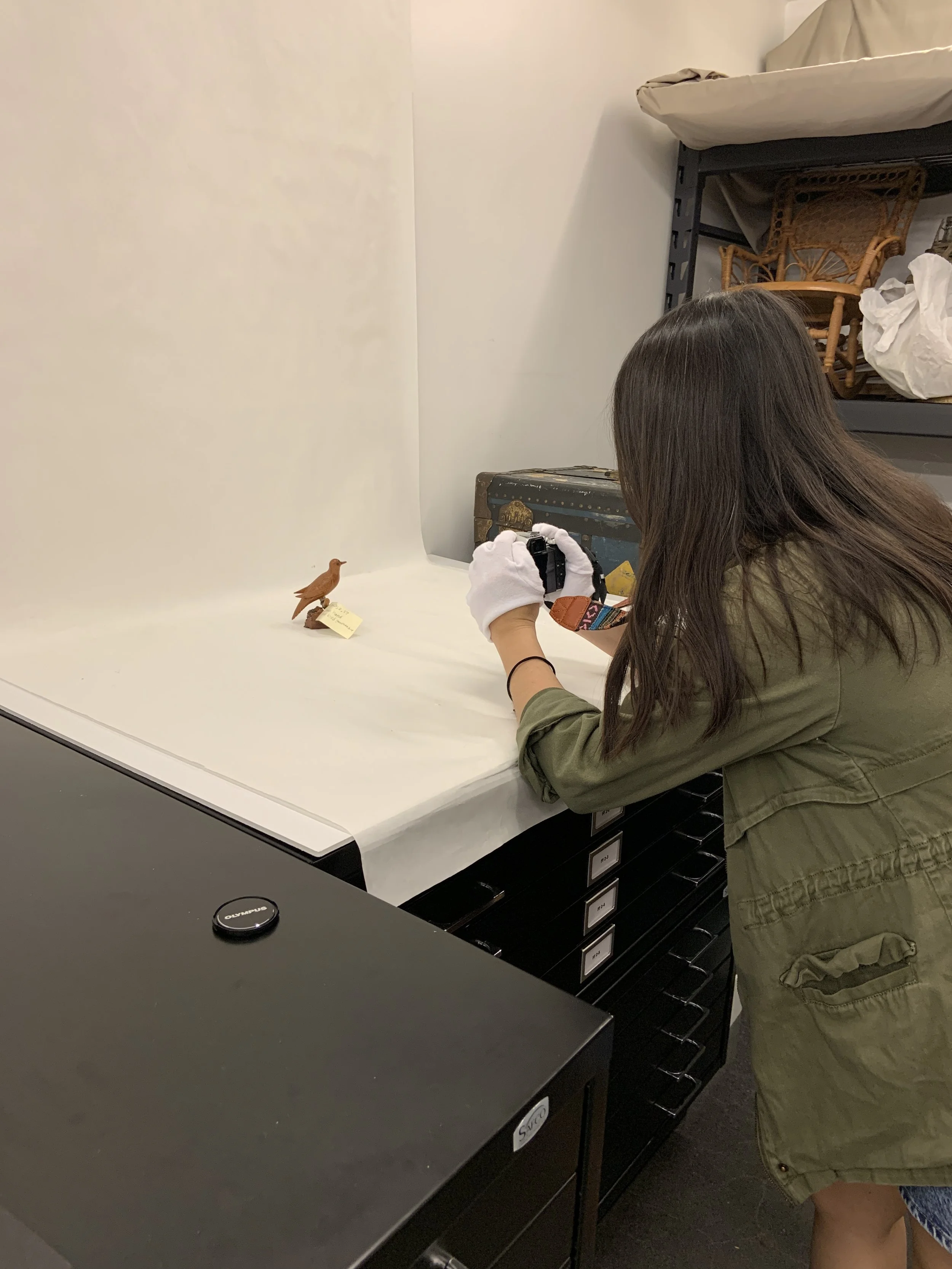
One thing that stood out to me in my experience at NUMU was the importance of good record-keeping. I realized just how easy it was for an artwork to become a complete unknown, and as an artist, it was sad to see someone’s hard work go uncredited. Most of the mystery works were likely by local artists, so it was a shame to be unable to give them the recognition and legacy they deserve. However, the lack of information led me down some interesting rabbit holes and I did enjoy discovering bits of historical trivia through my research. Some notable ones were finding works that were loaned during the Federal Art Project during the Great Depression or an artist who was also the designer of the Argus A camera.
Overall, this internship gave me valuable experiences in the inner workings of museum and gallery operations and made me realize just how much I enjoy doing behind-the-scenes work. I loved working with the people at NUMU and am sad it was over so soon. I am grateful for this opportunity and excited to see where these experiences will take me.
-Written by Hana Lock
